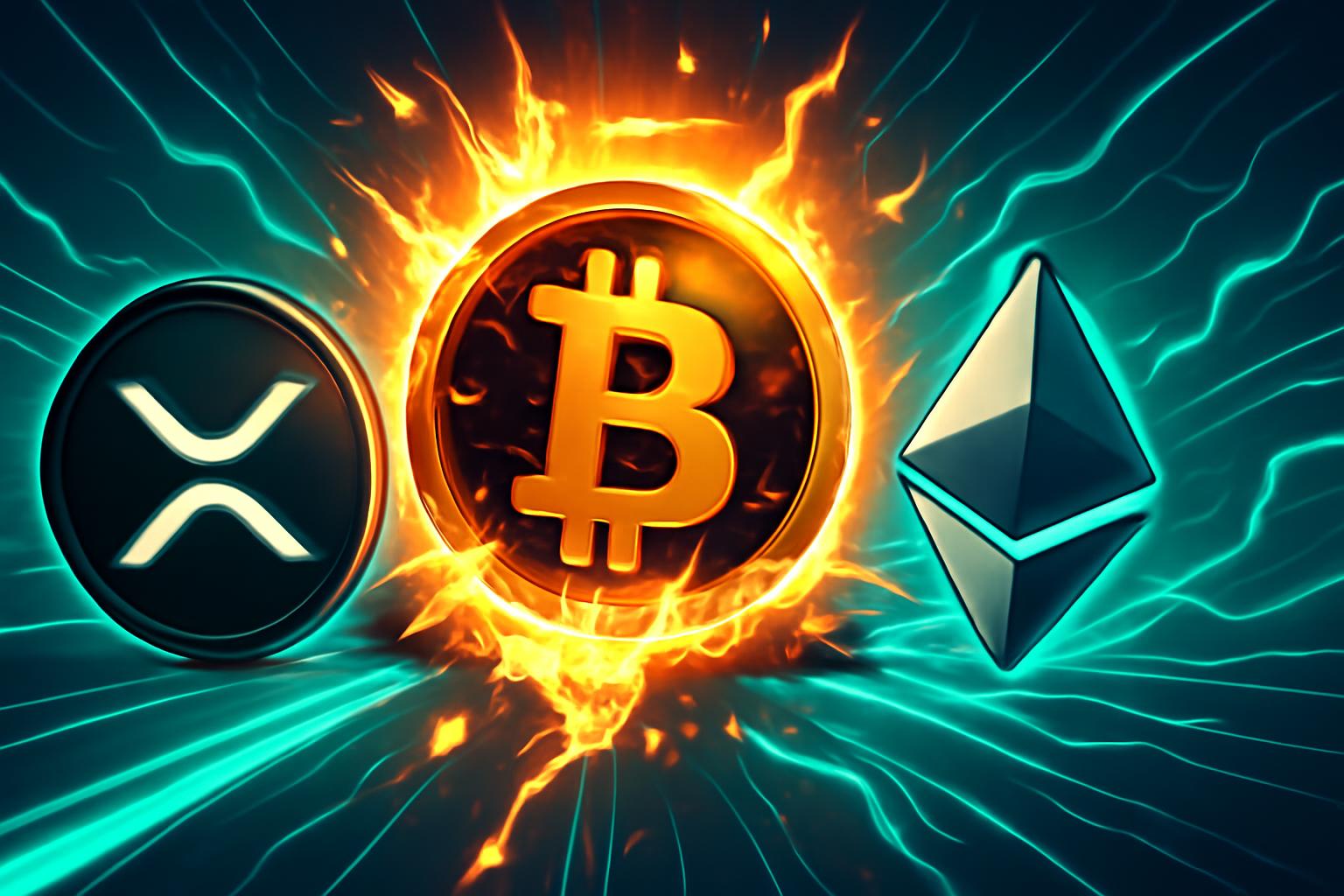

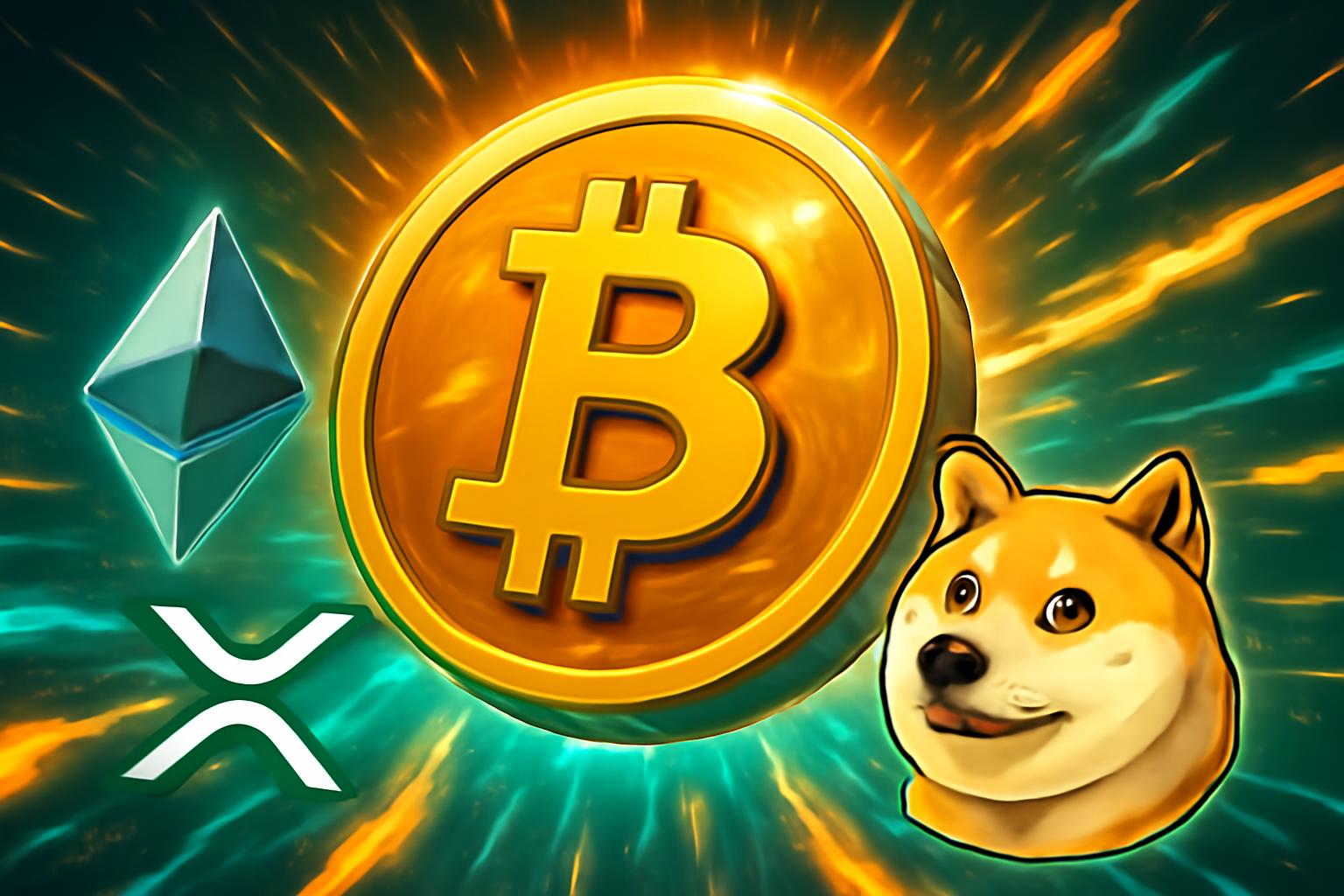
XRP has been one of the more controversial cryptocurrencies. Its developer, Ripple Labs, spent several years locked in a court battle with U.S. regulators over the legality of the company selling tokens to exchanges and investors. It’s the native token for the XRP Ledger blockchain and Ripplenet.
The platform facilitates cross-border transactions where a party can send money to another in a different country using XRP as an intermediary. It’s faster and cheaper to use than SWIFT, the incumbent global bank messaging network.
Bitcoin is the first cryptocurrency and remains the largest today, with a market cap of $1.7 trillion. Ironically, Bitcoin is only the third most widely used blockchain, measured by total value locked (TVL).
Bitcoin has continued to appreciate as an anti-inflationary asset, somewhat like a digital version of gold. Some corporations have begun to hold it on their balance sheets, and the United States announced plans to create a Strategic Bitcoin Reserve earlier this year.
Ethereum is the world’s second-largest cryptocurrency after Bitcoin. Its blockchain is very popular for decentralized applications (dApps) and smart contracts. The Ethereum blockchain has a total value locked (TVL) of $68.7 billion today, roughly eight times that of the next-closest blockchain, Solana. That means it’s the most widely used blockchain in the world by a wide margin.
The Ethereum blockchain’s usage impacts the market price for Ether, the blockchain’s native token. Ethereum is a Proof-of-Stake blockchain where people stake their Ether to validate transactions on the network in exchange for tokens. At the same time, the network burns Ether as people use it. A constant creation and destruction of Ether helps keep the supply in check.





Leave a Reply