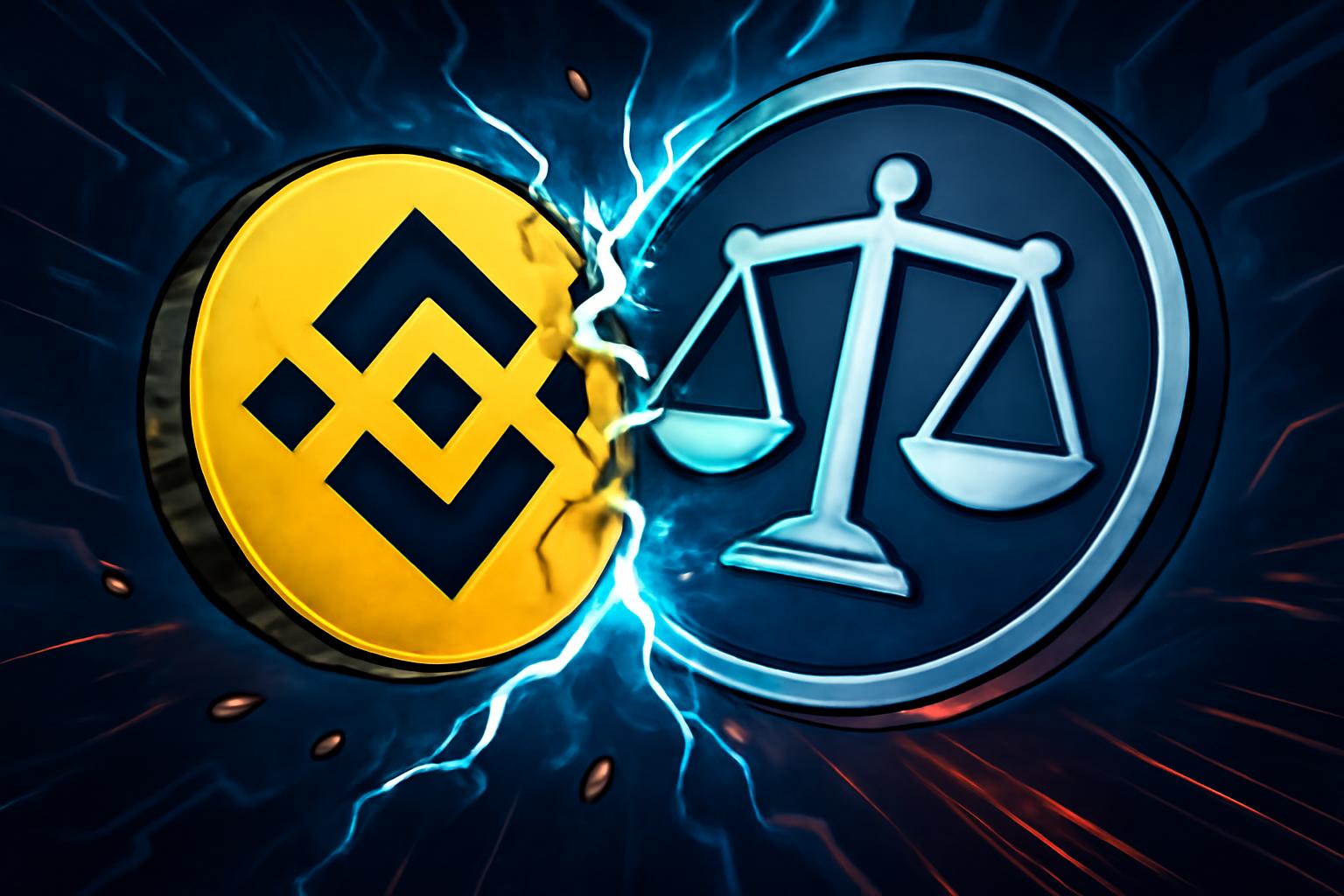

Binance has long touted its commitment to compliance, particularly following the 2023 U.S. agreement. However, internal documents show that about a dozen accounts tied to dubious transactions were allowed to operate with alarming freedom, enabling roughly $1.7 billion in illicit cryptocurrency transfers since 2021. A case involving a 25-year-old Venezuelan woman reportedly receiving more than $177 million in crypto while altering her linked bank account details 647 times in 15 months highlights serious red flags.
The investigations call into question the effectiveness of Binance’s regulatory controls and the promised FINCEN surveillance intended to curb financial misconduct. One account moved $29 million from wallets later linked to groups such as Hezbollah, underscoring gaps in monitoring tied to terrorism financing concerns.
The repercussions have been severe, including a $4.368 billion fine and the resignation of CEO Changpeng Zhao, with a potential additional $150 million penalty if corrective actions are not taken. Regulators are pressing for tighter controls and a culture of compliance across exchanges, raising the cost of noncompliance for platforms in the crypto ecosystem.
Binance’s missteps serve as a warning for Web3 ventures and DAOs about the risks of relying on centralized exchanges that may falter under regulatory demands. Startups are urged to prioritize secure banking solutions and consider non-custodial fiat-crypto bridges as a path less exposed to regulatory risk. The demand for robust compliance tools, including Know Your Transaction measures, is likely to rise as firms seek to turn compliance into a strategic advantage.
The case also underscores the need for greater transparency across the crypto landscape, with calls for regulators to impose stringent, uniform guidelines to protect investors. Investors are advised to exercise caution and seek exchanges that demonstrate concrete compliance and strong security measures.
Binance’s compliance failures expose vulnerabilities that resonate throughout the ecosystem, reinforcing the case for tighter regulatory oversight. As the exchange confronts accountability, the experience offers lessons for Web3 startups and DAOs on building resilient, compliant operations. Ultimately, embracing a culture of transparency and compliance may help the crypto industry navigate the evolving regulatory terrain while preserving trust among users.








Leave a Reply