
As digital assets move into mainstream wealth planning, tax and regulatory clarity is becoming central to institutional adoption. For many professionals across traditional and decentralised finance, the question is no longer whether digital assets will be part of the future financial system, but how that system will be governed, taxed and regulated in a way that supports innovation while the associated risks are suitably mitigated. As interest and investment in the asset class continues to grow, so too does speculation regarding regulation, compliance, and tax treatment. Digital asset regulation is evolving across the globe at a rapid pace, but not uniformly.
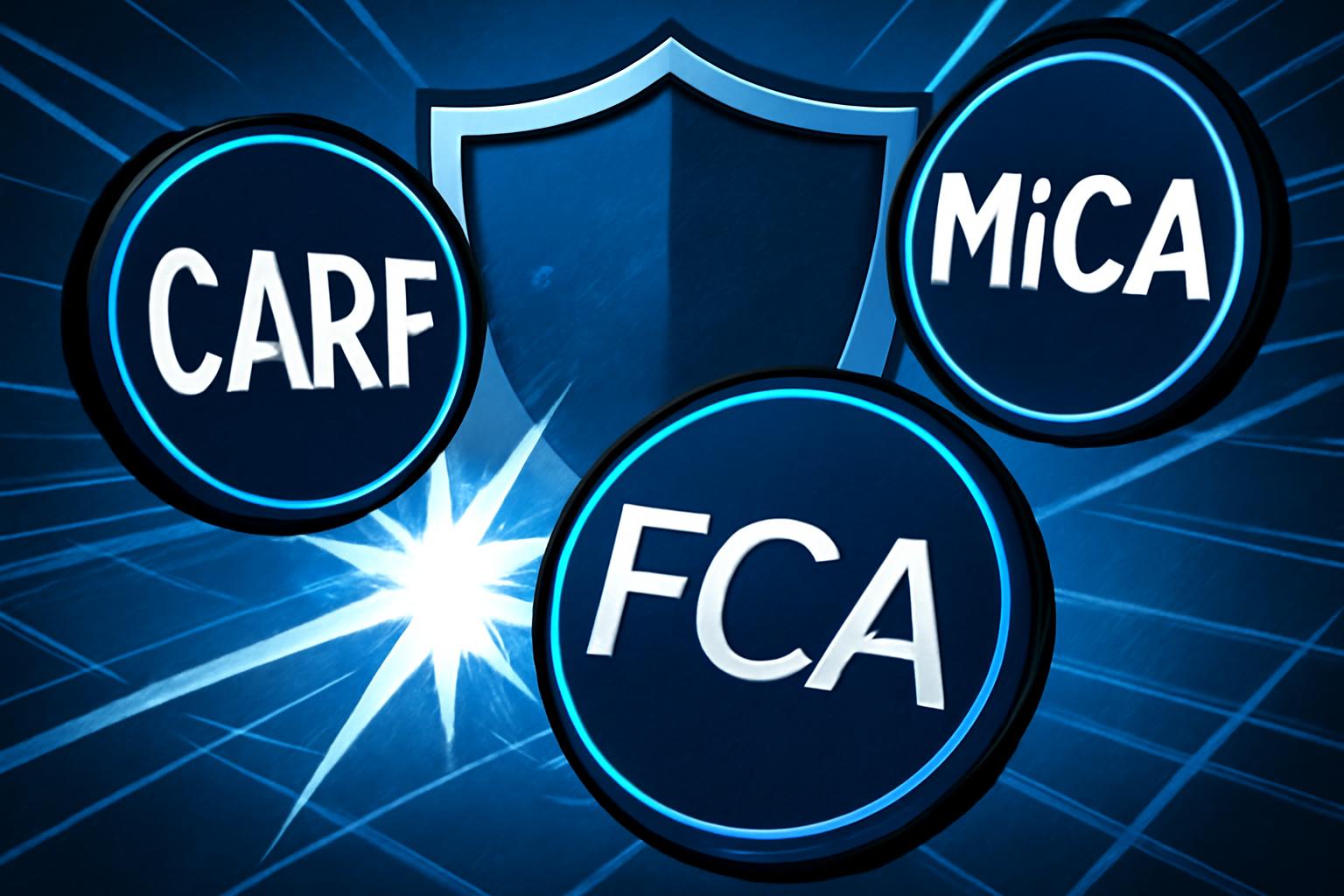
Several major jurisdictions have introduced clearer frameworks, while others remain fragmented. The OECD’s Crypto-Asset Reporting Framework (“CARF”) represents a significant step in global standardisation. CARF will require jurisdictions to collect and exchange information on crypto-asset transactions in a manner similar to the Automatic Exchange of Information rules that transformed traditional tax reporting. In the European Union, the forthcoming implementation of the Markets in Crypto-Assets Regulation (MiCA) is setting a new benchmark.
MiCA looks set to represent one of the world’s most comprehensive frameworks for digital assets, covering everything from stablecoin issuance to the licensing of exchanges, custodians and other crypto-asset service providers. Its focus on transparency, consumer protection and consistent supervisory oversight is expected to enhance institutional confidence and accelerate the mainstream integration of digital assets across European financial markets. The United Kingdom is moving in a similar direction, though through a series of incremental regulatory refinements. For example, in a major move in October, the UK Financial Conduct Authority (FCA) lifted its ban on crypto asset sales to retail and wealth investors – a decision described by industry leaders as a “good first step” towards making the UK a more open and competitive environment for digital assets.
The United States, meanwhile, remains defined by its regulatory fragmentation. Federal agencies, including the SEC, CFTC and IRS, continue to take differing views on digital asset classification and regulatory treatment, while state-level licensing legislation adds further complexity.









Leave a Reply