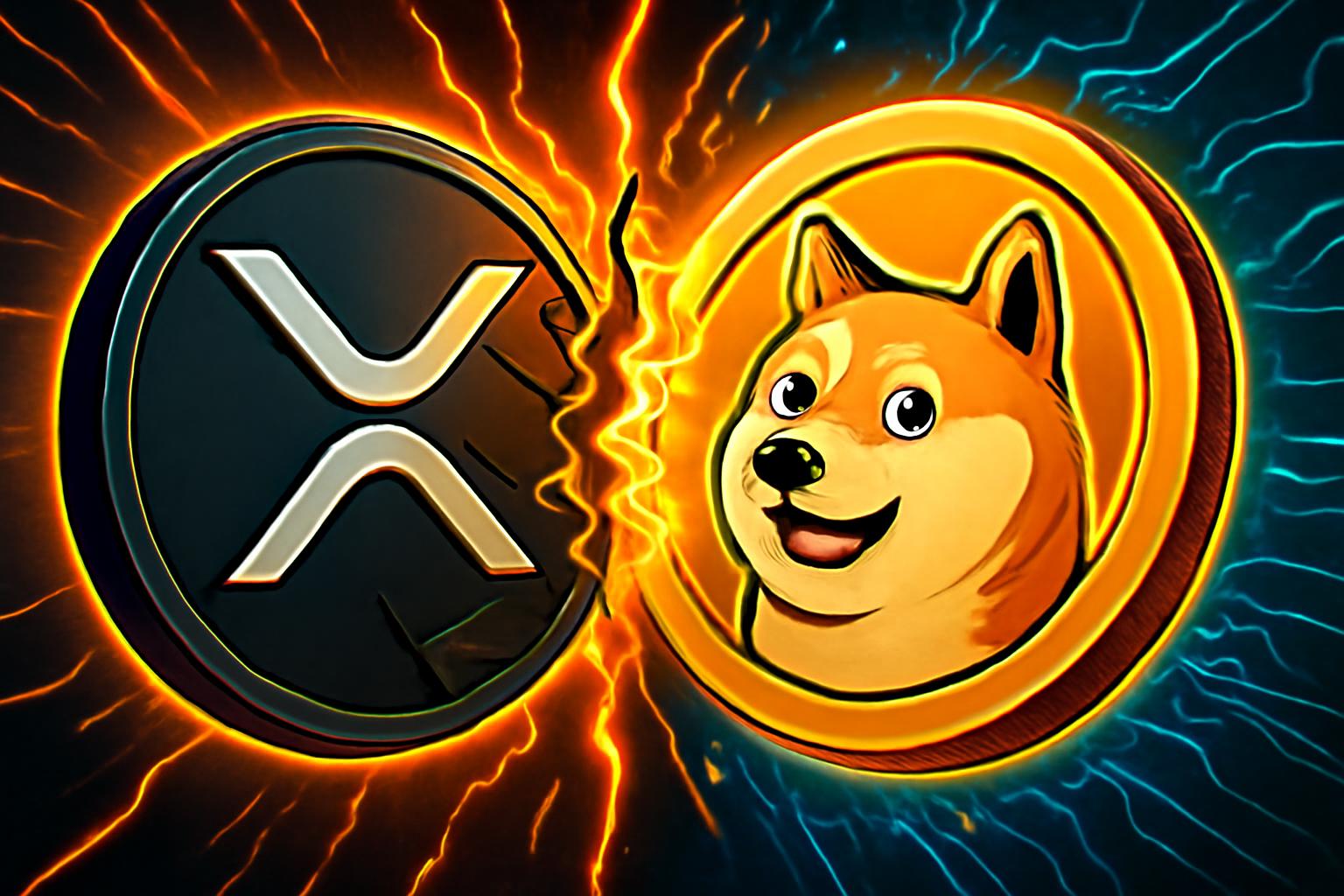

XRP operates on a network with strong technical capabilities that enable it to process up to 1,500 transactions per second, supporting instant cross-border payments. The token is closely tied to Ripple, the crypto company that uses the network and token to provide payment solutions to major banks and institutional investors.
Dogecoin, by contrast, began as a meme token and gained traction primarily through social media, demonstrating how branding and community can drive crypto momentum even without engineering advantages. It remains one of the most-followed cryptocurrencies, illustrating the influence of social dynamics in crypto markets.
Real-world utility is a key differentiator. XRP’s combination of a robust network and Ripple’s enterprise deployments has given it an edge over Dogecoin in terms of potential adoption for large-scale payments. XRP surpasses Dogecoin due to its technical prowess and ties to Ripple, which is demonstrating progress in bridging the gap between traditional finance and cryptocurrency. That said, XRP faces plenty of competition and remains volatile, so investors may want to keep positions smaller and more cautious.






Leave a Reply