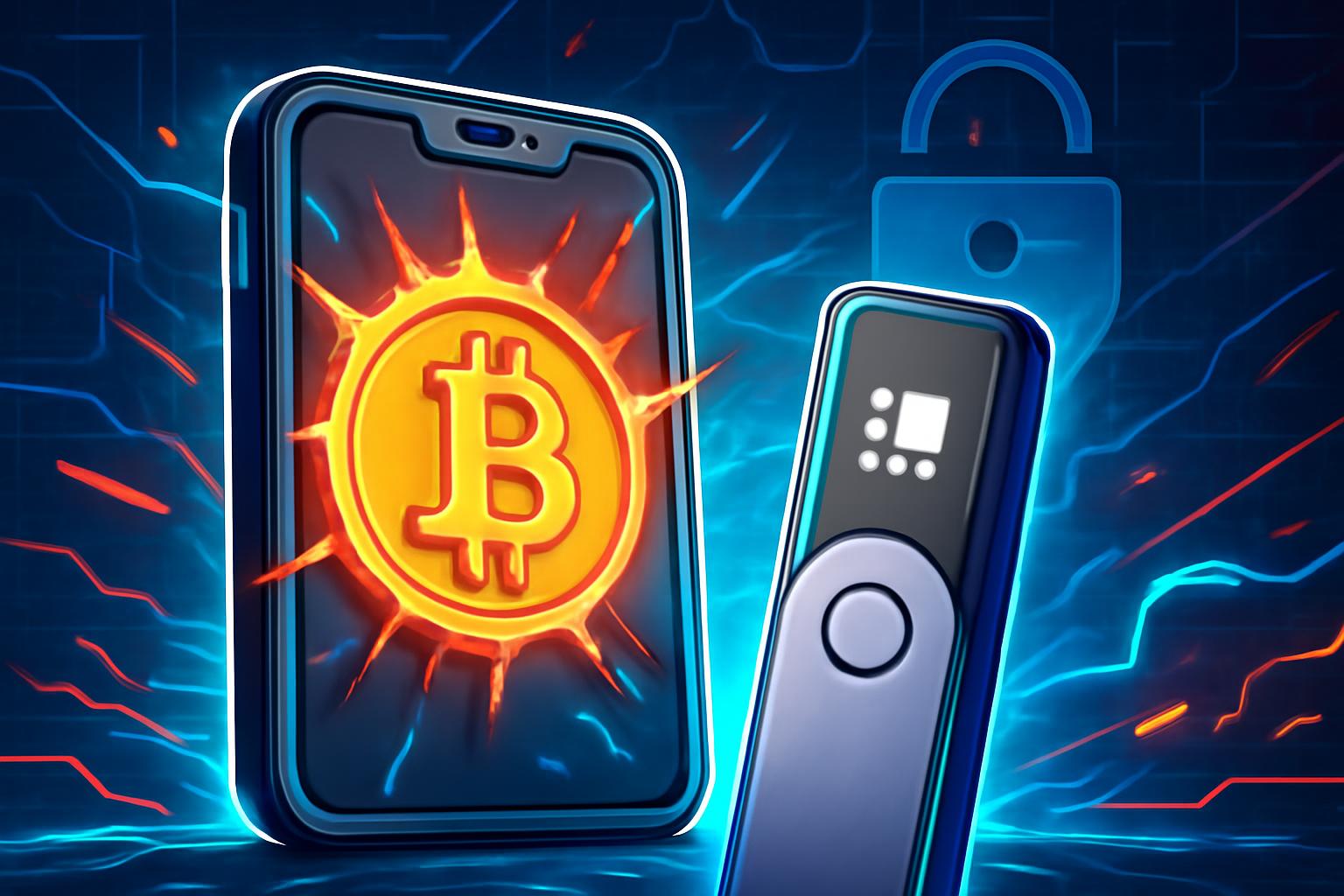

Crypto wallets store private keys, giving you complete control and protection over your cryptocurrency, NFTs, and blockchain-based assets. Hot wallets are ideal for daily transactions, while cold wallets provide long-term security for larger holdings. Choosing the right wallet involves considering security features, supported blockchains, asset types, and recovery options.
Traders are using digital assets to invest, make payments, buy NFTs, and pay for online services. As the use of cryptocurrencies continues to grow, the need for safe storage also increases, making crypto wallets important to securely manage and access these assets. Choosing the right wallet is important because it affects security, ease of use, and access to new blockchain features.
Hot wallets are connected to the internet and are used for regular transactions. Cold wallets, on the other hand, stay offline and are used for safe long-term storage. Many users follow a simple approach and store small amounts in hot wallets, while larger amounts are placed in cold wallets for safety.
Coinbase Wallet is often used by people who are new to cryptocurrency. It supports many popular cryptocurrencies and tokens. The app connects easily with blockchain-based apps. The design feels similar to regular mobile apps, which helps in smooth use.
Ledger wallets are hardware devices made for security. Private keys stay offline, which reduces the risk of online attacks. Each transaction needs approval on the device itself. This extra step adds safety.
MetaMask is widely used for Ethereum and similar blockchains. It works on both mobile phones and browsers. Many NFT platforms, games, and DeFi apps connect directly with MetaMask. This makes it useful for exploring blockchain services.
Trust Wallet is designed mainly for mobile phones. It supports several blockchains such as Bitcoin, Ethereum, and Solana. Many useful tools are built into the app. Trezor is a well-known hardware wallet.
It supports many cryptocurrencies and tokens. Transactions are checked on a small screen on the device. The design stays simple and focused on safety. OKX Wallet is built for active cryptocurrency users.
It supports many blockchains and allows the creation of multiple wallets. Safety alerts help reduce risk from unsafe apps. The wallet works independently from the OKX exchange, which allows full self-custody. The right wallet depends on how cryptocurrency is used.
Some wallets work better for daily activity, while others are better for long-term storage. Crypto wallets are much easier to understand and significantly safer. Modern apps provide clean interfaces and stronger security that suit both beginners and experienced users. Many people now rely on hot wallets for everyday transactions and cold wallets for long-term storage to ensure convenience and protection. Choosing the right wallet plays an important role in keeping cryptocurrency secure while ensuring smooth and stress-free asset management.
A crypto wallet stores private keys that prove ownership and allow access to cryptocurrency and blockchain-based assets. Hot wallets stay online for regular use while cold wallets remain offline for stronger protection and long-term storage. Hardware wallets keep private keys offline, which lowers hacking risk compared to wallets connected to the internet. Many modern wallets support NFTs and work across blockchains like Ethereum, Bitcoin, Solana, and other networks.
Cryptocurrency wallets serve as the key to asset ownership, storing private keys that grant access to crypto, NFTs, and other blockchain-based assets. For daily activity, hot wallets offer convenience, while cold wallets provide long-term protection for larger holdings.
As crypto usage expands, secure storage and controlled access have become essential considerations for investors and enthusiasts. Choosing the right wallet hinges on security features, supported blockchains, asset types, and recovery options.
Some wallets are designed for everyday transactions, while others prioritize secure, offline storage. The decision also depends on whether the user needs seamless access to DeFi apps, NFTs, or cross-chain transfers.
Coinbase Wallet is popular among newcomers, offering broad crypto and token support and easy connectivity to blockchain apps. It also provides storage for NFTs and maintains user control of private keys. Ledger and Trezor are hardware wallets that keep private keys offline and require device-based confirmation for each transaction, enhancing security for long-term holdings.
MetaMask enables access to decentralized apps on mobile and desktop, while Trust Wallet supports multiple blockchains and includes built-in token swaps and NFT viewing. OKX Wallet targets active users with multi-chain support and self-custody independent of its exchange. Ultimately, the right wallet depends on how cryptocurrency is used.
For daily use, a secure hot wallet may be paired with a hardware wallet for larger holdings. Consider the level of security, supported assets, recovery options, and whether a wallet aligns with your long-term storage or frequent transactions. Modern crypto wallets combine usability with improved security, offering both accessibility and protection for a growing user base. With hot wallets for everyday transactions and cold wallets for long-term storage, users can balance convenience and safety.
A crypto wallet stores private keys that prove ownership and enable access to digital assets, including cryptocurrencies, NFTs, and other blockchain-based holdings. Hot wallets stay online for regular use while cold wallets remain offline for stronger protection and long-term storage. Hardware wallets keep private keys offline, which lowers hacking risk compared to wallets connected to the internet. Many modern wallets support NFTs and work across blockchains like Ethereum, Bitcoin, Solana, and other networks.
As crypto usage grows, secure storage and controlled access to private keys are essential. Crypto wallets store private keys that prove ownership and enable access to digital assets, including cryptocurrencies, NFTs, and other blockchain-based holdings. Hot wallets offer convenience for daily transactions while cold wallets provide long-term protection for larger balances. Popular options include Coinbase Wallet, Ledger, Trezor, MetaMask, Trust Wallet, and OKX Wallet, each offering different security models and multi-chain support.
Choosing the right wallet depends on how you use crypto, with factors such as security features, supported blockchains, asset types, and recovery options. Hardware wallets keep keys offline and require device-based confirmation for each transaction, increasing safety, while software wallets emphasize ease of use and app integrations. Some wallets enable direct access to DeFi apps, NFT platforms, and cross-chain transfers, expanding your possibilities.
Modern wallets balance usability with strong protections, supporting self-custody outside exchanges and smooth asset management across networks. By combining hot wallets for daily activity with hardware wallets for larger holdings, users can optimize convenience and security.



Leave a Reply