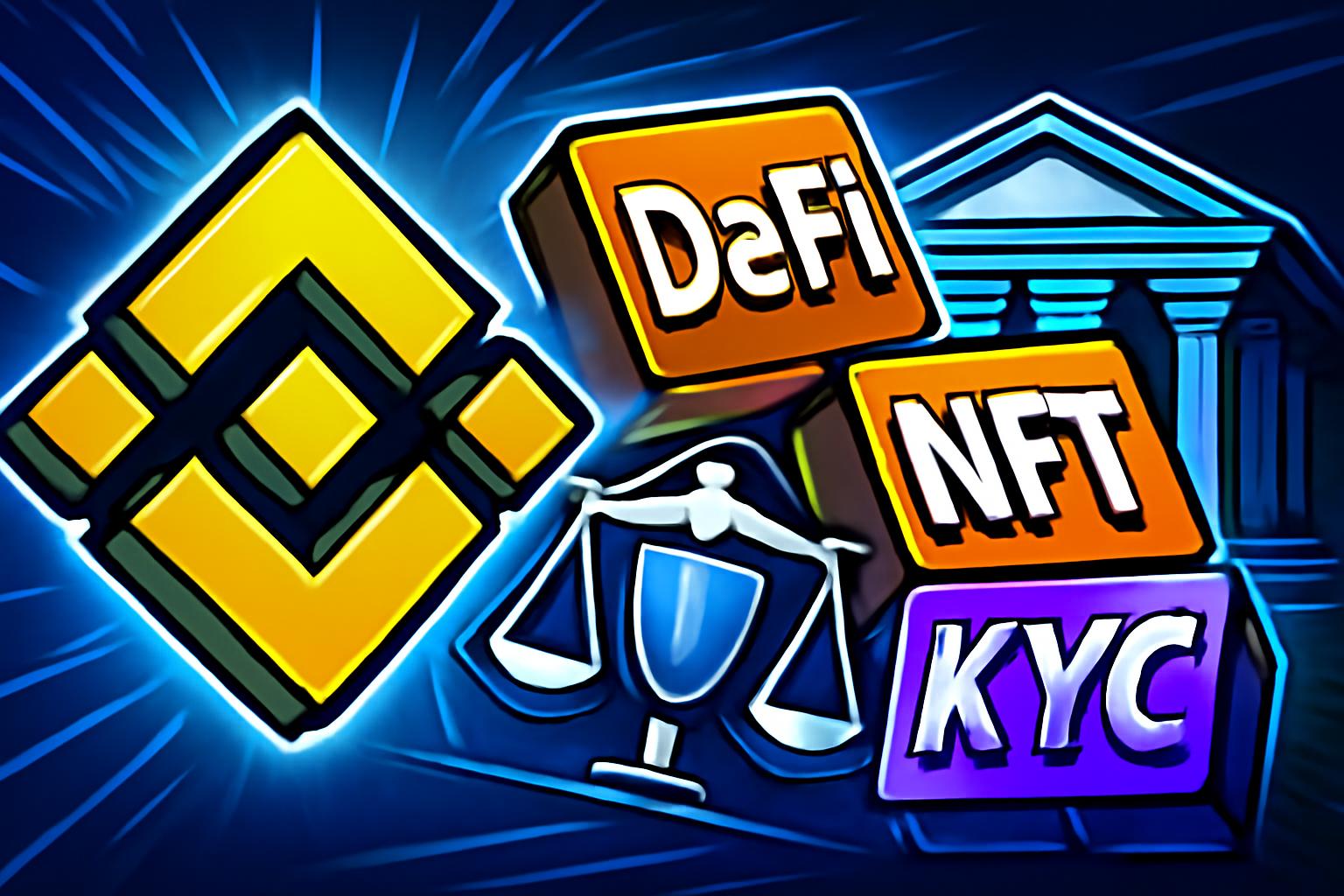

In the rapidly evolving world of cryptocurrency, understanding terminology matters more than ever. Gamified vocabulary exercises, such as Binance’s Word of the Day, are proliferating as a playful way to boost crypto literacy. Yet while these games can aid learning, they can also oversimplify complex concepts. This piece examines how these games can help, their downsides, and how they relate to regulatory awareness.
Crypto vocabulary games are here to stay, reflecting a broader shift toward gamified learning in the digital era. They use quizzes and word puzzles to teach key crypto terms, and by turning learning into play, they can boost engagement. As global crypto business banking evolves, terms like DeFi, NFT, and KYC are becoming essential for users navigating this landscape.
Among the notable initiatives is Binance’s Word of the Day (WOTD), a daily challenge that rewards correct answers with points redeemable for prizes. The program fosters a sense of community and helps users learn about digital banking and crypto payroll solutions. Participating in WOTD can make users more familiar with the terms central to Web3 banking.
The benefits of these games include improved memory and higher engagement, with research suggesting gamified learning can boost user involvement by up to 30% over traditional methods. By breaking down complex ideas, they can make topics like cryptocurrency payments and the function of crypto-native business tools easier to grasp. This knowledge can build confidence for real-world use, such as hiring globally with crypto or understanding stablecoins in payroll.
But there are downsides to consider. Oversimplification is a key risk, and some concepts, like two-factor authentication, may be under-emphasized in a game format. Earning points for correct answers can also create a false sense of security, potentially prompting hasty trading or neglect of professional financial advice.
Moreover, these games can raise awareness about regulatory requirements such as AML and KYC. Balancing engagement with depth is crucial, and publishers should pair games with detailed explanations to help users navigate the regulatory landscape effectively.
In sum, gamified vocabulary games are reshaping crypto education, offering a practical pathway to literacy while underscoring the need for comprehensive training beyond play. As crypto banking and Web3 continue to mature, users should approach these tools as a starting point complemented by deeper resources.
Crypto vocabulary games have surged as a gamified learning tool, teaching terms like DeFi, NFT, and KYC through quizzes and puzzles. While they boost engagement and memory, they can oversimplify complex topics and foster a false sense of security. As global crypto banking evolves, familiarity with these terms becomes critical for navigating Web3.
Programs such as Binance’s Word of the Day reward correct answers with points redeemable for prizes, building community and familiarity with Web3 banking concepts like digital payroll solutions. These games can make crypto payments and crypto-native tools easier to grasp, supporting real-world uses such as international hiring with crypto.
However, regulators emphasize that such tools should pair play with thorough explanations of AML and KYC requirements. By integrating deeper resources, publishers can balance engagement with depth, helping users navigate compliance while advancing crypto literacy.








Leave a Reply