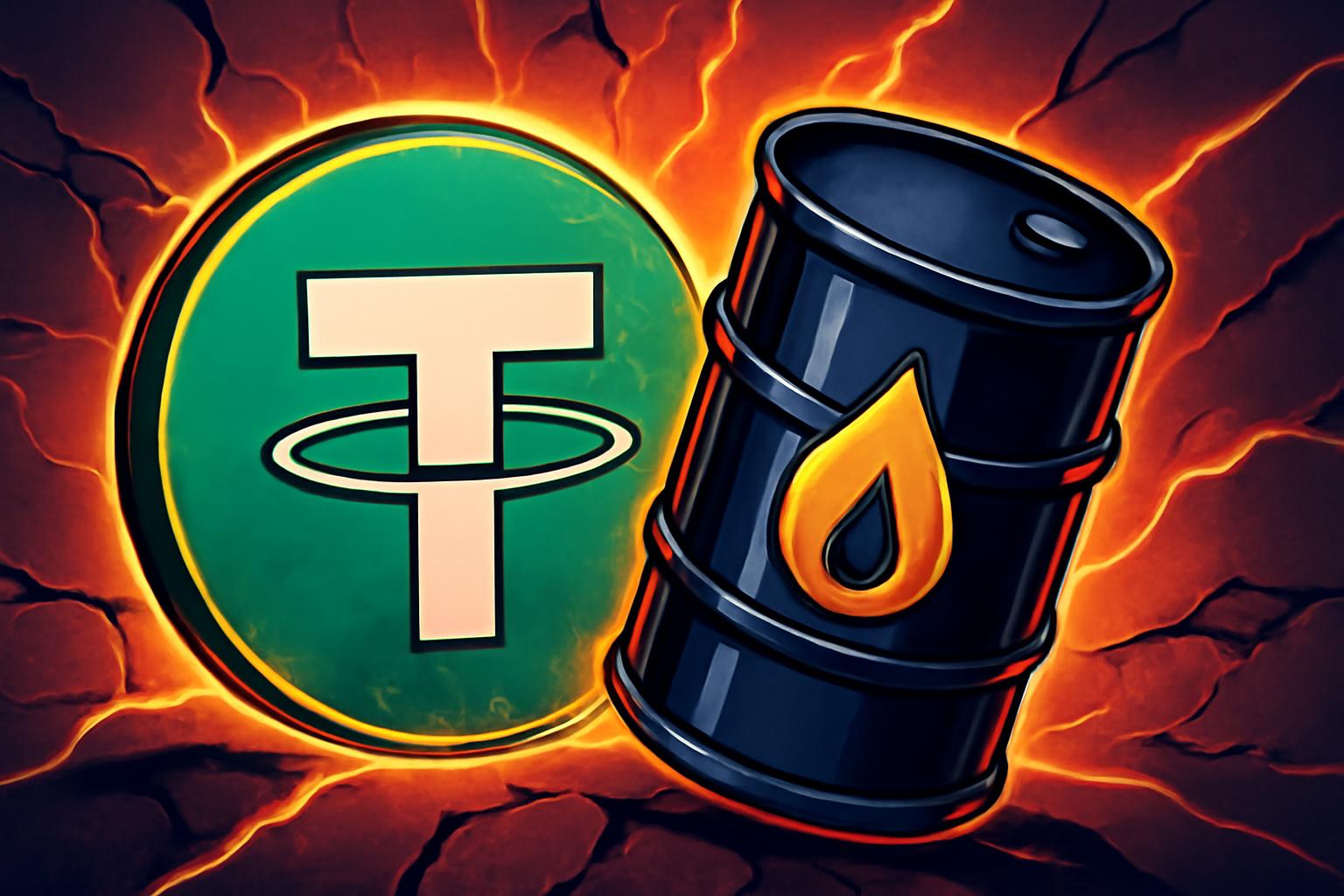

Nicolas Maduro’s arrest in the United States has brought Tether back into focus, highlighting USDT’s role in Venezuela’s oil trade under sanctions and as a core payment tool for citizens dealing with currency collapse. A Wall Street Journal report says USDT has been used for two purposes in Venezuela: enabling the state oil industry to bypass banking restrictions, and providing Venezuelans with a dollar-indexed alternative as the bolivar dropped. Maduro is being held in a Brooklyn jail, heightening scrutiny of financial activity linked to his regime, but analysts say this will not be enough to take USDT out of Venezuela, given high inflation and weak institutions that sustain demand for stablecoins. Adam Zarazinski, CEO of crypto-intelligence firm Inca Digital, said crypto use in Venezuela will likely continue, with stablecoins serving as a hedge for daily users, though sanctions evasion remains a concern.
In 2020, PdVSA started accepting USDT as oil payments, with settlements sent directly to wallet addresses or via a third party who swapped the proceeds into Tether. This transition transformed the oil economy’s structure. According to local economist Asdrúbal Oliveros, nearly 80% of the revenue of the Venezuelan oil sector is collected in stablecoins such as USDT, underscoring how deeply state cash flow has penetrated stablecoins. Since then, Tether has cooperated with U.S. authorities to freeze wallets tied to the Venezuelan oil trade and remains under U.S. and international sanctions while stating it actively contributes to law-enforcement efforts against illicit activity.
Beyond oil, USDT has grown into a viable currency for Venezuelans, used for cross-border payments and everyday purchases. Tether’s Paolo Ardoino cited the bolivar’s long-term depreciation, noting that it fell about 99.8% against the U.S. dollar over a decade, a trend that helps explain rising adoption. Ari Redbard of TRM Labs warned that the dual nature of stablecoins can both support civilians and enable sanctions evasion. In 2018, Venezuela launched an oil-backed Petro token that failed amid lack of confidence and international recognition.










Leave a Reply