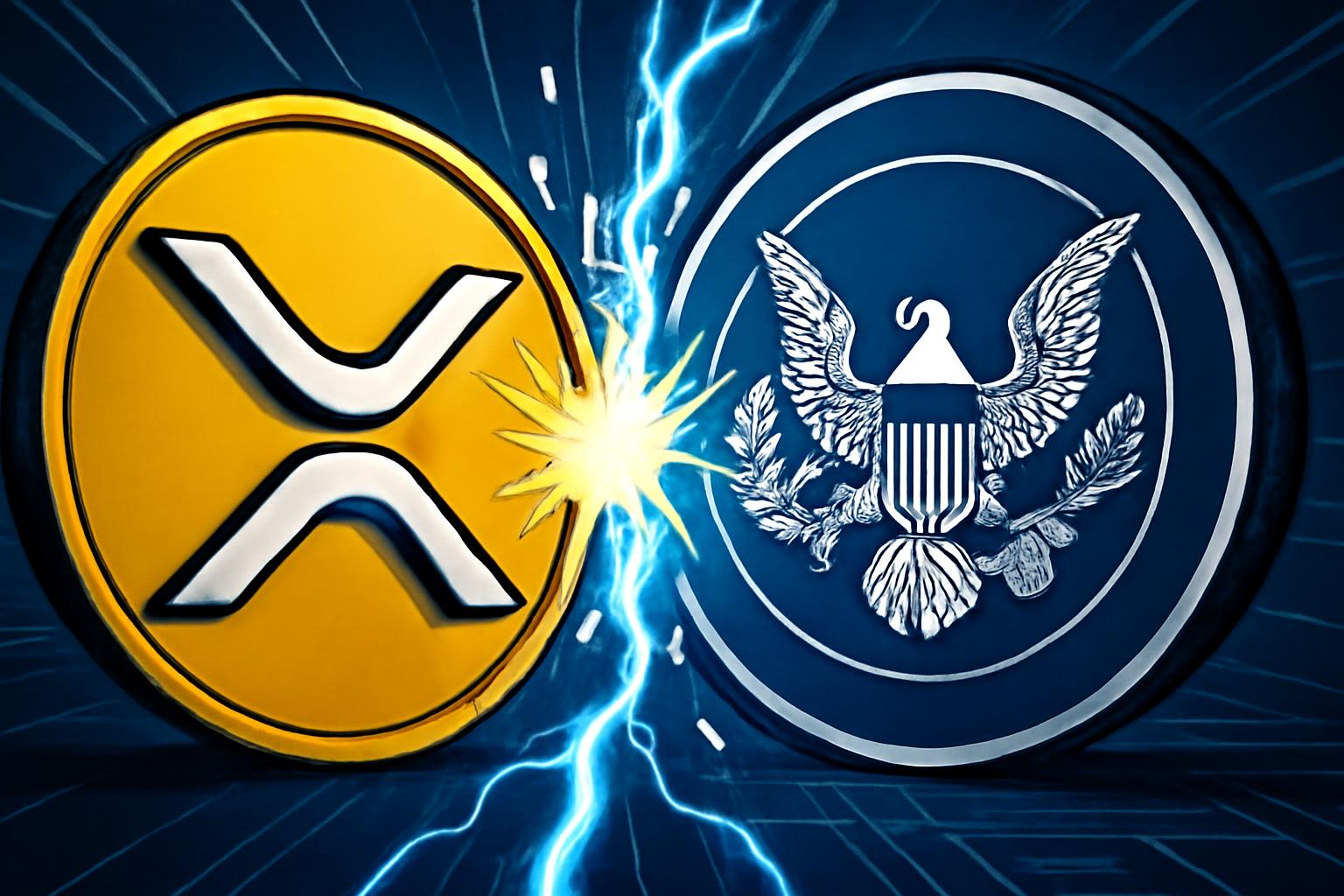

The world of cryptocurrency is buzzing once again, and XRP market news today has sparked intense discussions among investors and analysts. With Ripple’s unique technology and ongoing legal clarity, many are asking: could XRP ever reach the elusive $100 mark? Let’s break down the key factors shaping XRP’s future, explore expert opinions, and see whether such a surge is realistic.
XRP is not just another cryptocurrency; it serves as a bridge for cross-border payments. Its speed, low transaction fees, and partnerships with financial institutions set it apart. RippleNet, the network powered by XRP, connects banks and payment providers globally. XRP’s liquidity solutions make it attractive for quick settlements in foreign currencies.
Despite these advantages, its market value is influenced heavily by adoption rates and regulatory developments. One of the biggest factors affecting XRP’s price is legal clarity. Ripple has been involved in ongoing litigation with the SEC, which has caused price volatility. Positive outcomes in court could boost investor confidence.
Conversely, unresolved legal matters may limit institutional adoption. Regulatory certainty is a must if XRP wants to join the ranks of high-value cryptocurrencies. XRP’s total supply is capped at 100 billion tokens, with around 50 billion in circulation. This controlled supply creates scarcity, but whether it’s enough to drive a $100 price point is debated.
Analysts note that reaching $100 would require XRP’s market capitalization to exceed $5 trillion. For context, Bitcoin’s total market cap is just over $1 trillion. This illustrates the massive leap needed for XRP to hit such highs.
Ripple’s collaborations with banks and payment providers are crucial for long-term growth. Partnerships in Asia, Europe, and the Middle East expand XRP’s real-world use. Strategic alliances could increase adoption, indirectly supporting price growth. If these partnerships scale effectively, XRP’s utility could influence its valuation significantly.
Cryptocurrency markets often mirror global economic trends. Inflation, interest rates, and currency fluctuations all play a role. Investors may turn to crypto as a hedge against inflation. Conversely, tighter financial conditions can reduce speculative investments. XRP is no exception; macroeconomic conditions directly affect its price trajectory.
Ripple continues to innovate its network, which could enhance XRP’s adoption. Faster transaction processing and improved scalability attract more users. Innovations such as tokenized assets on the XRP Ledger may expand its use cases. Technological improvements are essential if XRP hopes to become a top-tier cryptocurrency.
Investor sentiment can move XRP prices dramatically. Platforms like Twitter and Reddit amplify community excitement or fear. Positive news can trigger rapid price rallies. FUD (fear, uncertainty, doubt) can cause sharp declines. Keeping track of XRP market news today is crucial for understanding short-term movements.
Experts are divided on whether XRP could realistically reach $100. Optimists argue that institutional adoption and scarcity could push prices higher. Skeptics point out the market cap hurdle and competition from other cryptocurrencies. While some see the $100 mark as a long-term possibility, others consider it highly unlikely.
Comparing XRP to other major cryptocurrencies helps put its potential in perspective. Bitcoin and Ethereum dominate market capitalization, setting a high benchmark. XRP’s faster transaction speed offers an advantage, but mass adoption is still limited. These comparisons reveal both the challenges and opportunities for XRP’s growth.
Trading activity is a key indicator of XRP’s price potential. High liquidity ensures smooth transactions and supports market confidence. Low trading volume can lead to volatility, impacting price stability. Understanding market depth is crucial for evaluating whether XRP could approach $100.
Beyond institutional adoption, public interest drives long-term growth. Increasing awareness and user-friendly platforms can attract more investors. Educational initiatives may help demystify XRP, encouraging mainstream use. Higher adoption could create the network effects needed for significant price appreciation.
While there’s optimism, XRP faces several challenges. Regulatory hurdles remain uncertain in key markets like the U.S. Competition from other blockchain solutions may limit adoption. Market manipulation and speculative trading can create volatility. Investors must weigh these risks when considering XRP as a long-term investment.
The question of whether XRP can hit $100 is complex. Current XRP market news today shows a mix of optimism and caution. Factors such as legal clarity, strategic partnerships, global economic conditions, and technological innovations all play pivotal roles. While a $100 XRP remains a distant goal, consistent adoption, positive sentiment, and market developments could drive significant growth over time. For anyone following XRP, staying informed with reliable news sources is essential. As analysts continue to debate its future value, keeping an eye on the market’s pulse can help investors make educated decisions.
XRP is at a crossroads as regulatory clarity, adoption momentum, and macroeconomic trends converge to shape its price trajectory toward the ambitious $100 target. The ongoing SEC litigation underscores how legal outcomes could boost or dampen institutional interest, making regulatory clarity a central driver for future demand. Ripple’s cross-border payments network and liquidity solutions underpin XRP’s real-world utility; while the supply is capped at 100 billion tokens with about 50 billion in circulation, reaching $100 would imply an extremely large market capitalization, underscoring the scale of the challenge alongside the potential rewards. Increased adoption through RippleNet partnerships in Asia, Europe, and the Middle East could reinforce sentiment and demand for XRP as a settlement and liquidity instrument.











Leave a Reply