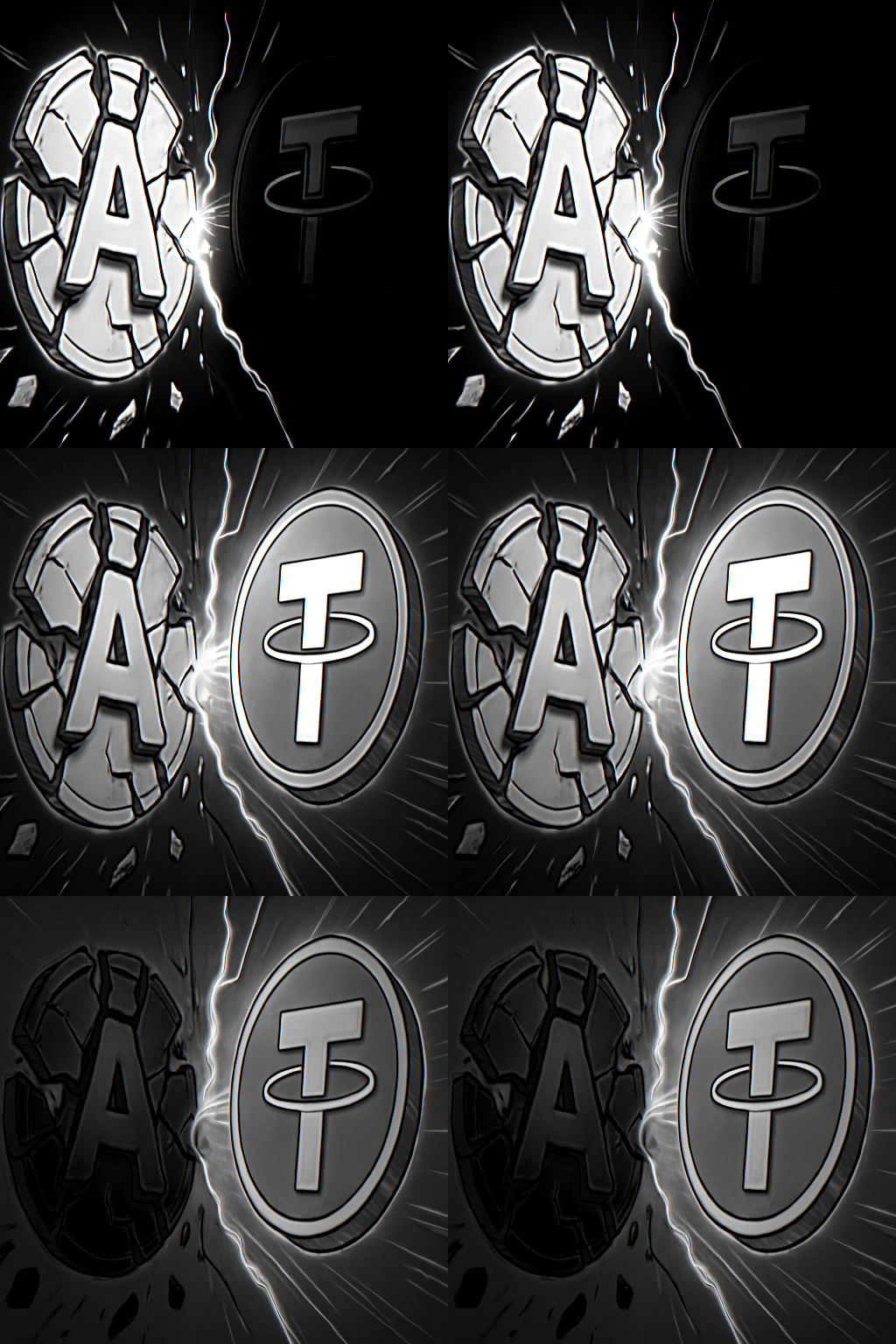

Tether has launched USAT, a fully U.S.-compliant stablecoin separate from its existing USDT token, which remains relied upon across global trading and emerging markets. By partnering with federally regulated players and hiring U.S. policy insiders, Tether aims to overcome its historically offshore, lightly regulated reputation and compete for institutional adoption. The announcement shows how stablecoins are beginning to fragment by use case, with design and jurisdiction shaping how they function. No single stablecoin can efficiently serve emerging markets, global trading desks, and U.S. institutions simultaneously.
That acknowledgment underpinned the launch Tuesday (Jan. 27) of Tether’s dollar-backed USAT stablecoin, the crypto firm’s first foray into the now-regulated U.S. stablecoin landscape. Tether’s own existing USDT stablecoin already represents roughly 60% of the $308 billion stablecoin market, where it is the dominant trading pair on most international exchanges and the primary dollar proxy in emerging markets, or where access to U.S. banking remains limited or unreliable. Past concerns over the issuer’s transparency, anti-money laundering controls, and jurisdictional ambiguity have traditionally kept Tether largely excluded from U.S. banks, broker-dealers, and payment systems. For years, that unspoken tradeoff was accepted.
USDT became indispensable to crypto markets precisely because it was not constrained by the rules governing U.S. financial institutions. The cost was institutional exclusion, while the benefit was the lion’s share of the global stablecoin market. USAT, however, is not a repackaged version of USDT. The launch of a domestically compliant stablecoin by Tether reflects a recognition that the next phase of stablecoin growth may not be driven by offshore exchanges alone, but by integration into mainstream financial and enterprise workflows. Underscoring this, Bo Hines, formerly executive director of the White House Crypto Council and a contributor to the GENIUS Act, the first U.S. law to establish a federal framework for stablecoins, was tapped by Tether leadership to help plan and execute the company’s entry into the U.S. market with USAT. He has served as CEO of USAT since September 2025.









Leave a Reply