

The European Union’s new crypto tax regime under DAC8 targets enforceable outcomes. It currently carves out DeFi, keeping it outside the regime for now. Colby Mangels, a former OECD adviser and Taxbit’s global head of government solutions, says the rules prioritize identifiable intermediaries such as custodians and exchanges that will report standardized user activity data under CARF. However, the DeFi carve-out may not last.
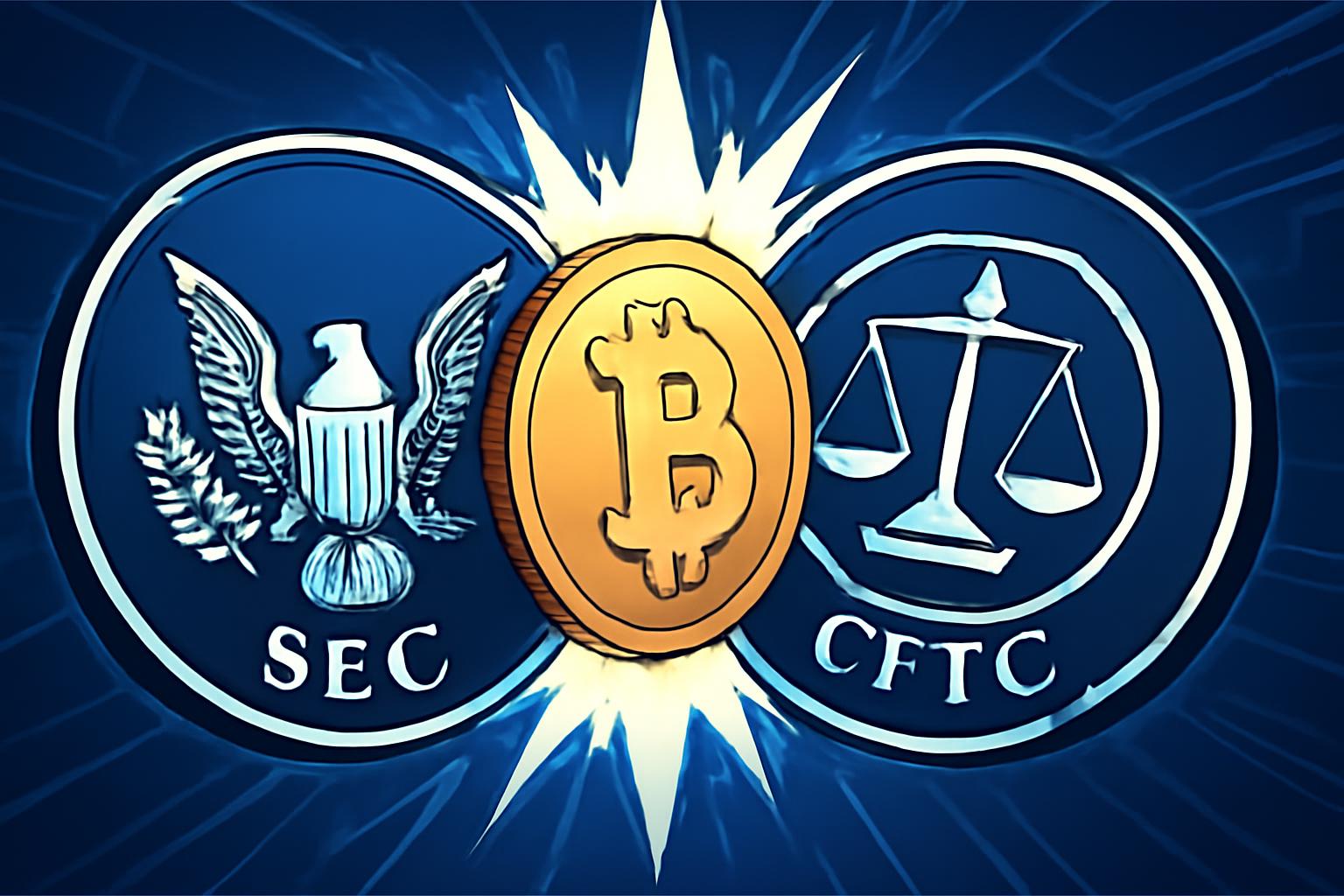
Mangels said tax authorities are increasingly drawing on Anti-Money Laundering (AML) frameworks to define accountability in crypto markets, and regulators are closely watching whether DeFi platforms can be classified as virtual asset service providers. US senators are preparing amendments to the Digital Commodity Intermediaries Act (DCIA), with decentralized finance among the contested areas. The bill would clarify regulatory roles between the Commodity Futures Trading Commission and the Securities and Exchange Commission, but lawmakers and industry groups have raised concerns over how provisions affecting DeFi could be implemented.
The debate signals that DeFi remains a fault line in US market structure talks. Even as lawmakers pushed to advance a framework after years of delay.










Leave a Reply