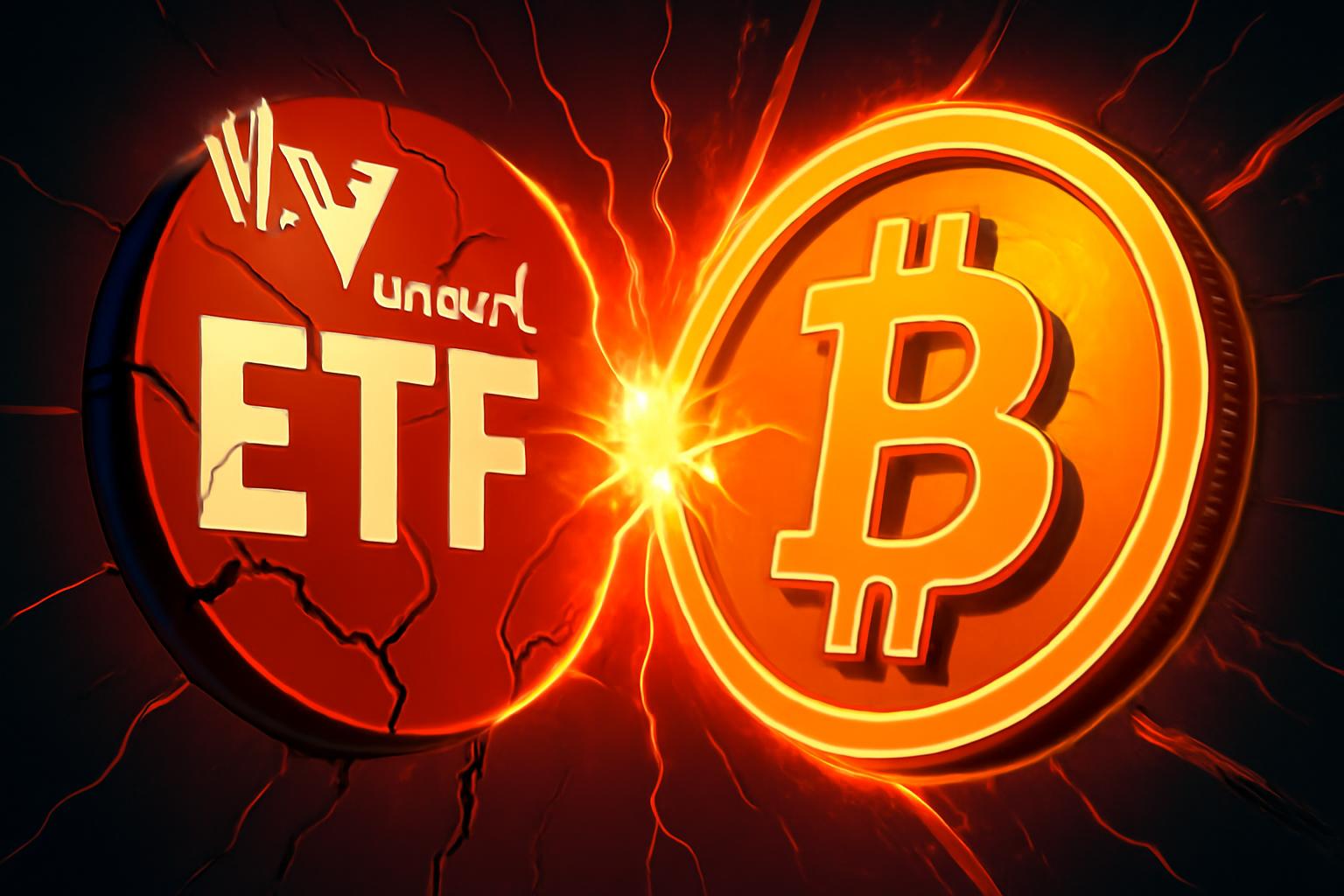

Crypto ETFs have been promoted as a bridge between traditional finance and digital assets, but they act as legacy wrappers that strip ownership rights and curb onchain utility. Direct ownership enables true personalization and compounding, while onchain portfolios support customizable weights, tax optimization, yield strategies, governance participation, and around‑the‑clock automated rebalancing. Onchain direct indexing promises to replace intermediaries, preserve asset utility, and offer diversified exposure while preserving investor control and flexibility.
ETFs were designed for an offchain world where markets close daily and settlements take days, with middlemen handling creations and redemptions. When you add high fees and a static index, the value proposition deteriorates. Today, a new era is dawning where assets have utility beyond governance and dividends, where transactions are programmable and wealth can grow onchain. That fundamental flaw is that ETFs were designed for offchain markets.
Crypto ETFs fail to advance the model, effectively retrofitting onchain assets into legacy financial structures. Buying an ETF means holding a wrapper around the assets — not the assets themselves. Occasionally the issuer holds the underlying assets, depriving you of ownership rights. Just three firms—BlackRock, Vanguard, and State Street—command roughly 60% of global ETF assets, totaling over $11 trillion and controlling significant voting power.







Leave a Reply