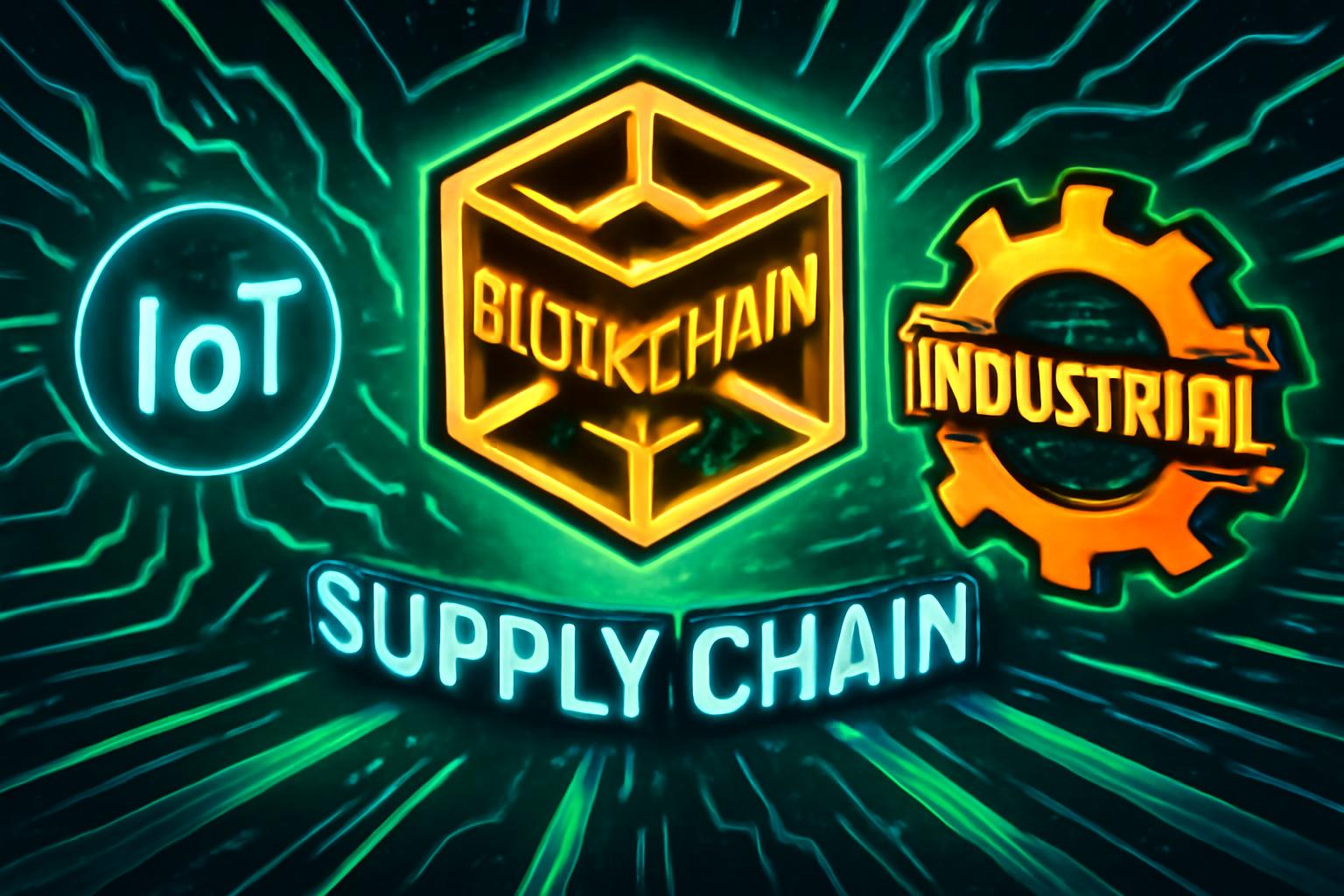

The global market for industrial blockchain applications is undergoing a foundational transformation, moving beyond its financial technology origins to become a critical enabler of operational efficiency, supply chain resilience, and data integrity across physical industries. By 2026, the market is characterized by rapid technological maturation and increasing pilot-to-production scaling, though it remains in a growth phase with significant untapped potential. The convergence of blockchain with complementary technologies such as the Internet of Things (IoT), artificial intelligence (AI), and advanced analytics is creating powerful synergies that are driving tangible business value beyond theoretical use cases. Looking toward 2035, standards, interoperability, and clear regulatory frameworks are expected to lower adoption barriers and accelerate cross-industry integration.
Growth will vary by sector and region, reflecting differences in digital infrastructure, regulatory clarity, and the complexity of incumbent systems. Demand is propelled by the need for supply chain transparency and resilience, the digitization of physical assets, and secure sharing of IoT data. The market features large technology firms offering enterprise blockchain suites alongside specialized startups, with adoption progressing from proofs-of-concept to limited production networks where provenance and traceability matter. The trade and logistics domain stands out as particularly active, digitizing cross-border documents, enabling near real-time visibility, and enabling automated payments through smart contracts.
Revenue derives from blockchain platforms, related software and services, and the hardware necessary for node operation in certain contexts, while pricing models range from cloud-based subscriptions to upfront licensing and professional services. The overall cost trajectory for core blockchain infrastructure is downward, due to competition, improvements in scalability, and economies of scale in cloud hosting, but the total cost includes change management, governance, and integration with legacy systems. The competitive arena is fragmented and dynamic, with technology hyperscalers, enterprise software firms, specialized blockchain firms, and industry consortia; success hinges on interoperability and ecosystem orchestration. The outlook to 2035 is one of sustained growth, with blockchain evolving into foundational infrastructure for trusted, efficient multi-party industrial ecosystems in the coming decade, integrated with IoT, AI, and edge computing.






Leave a Reply