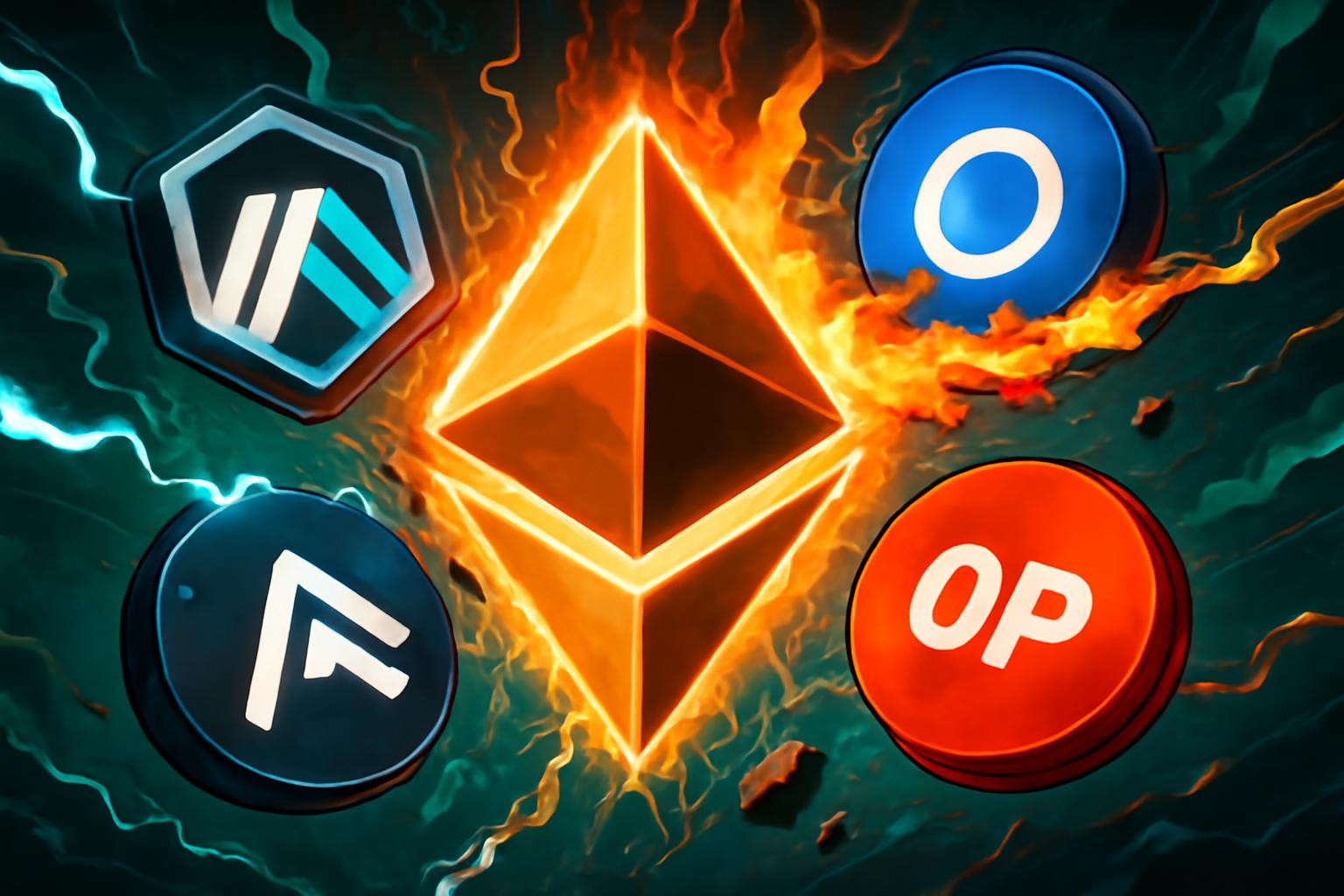

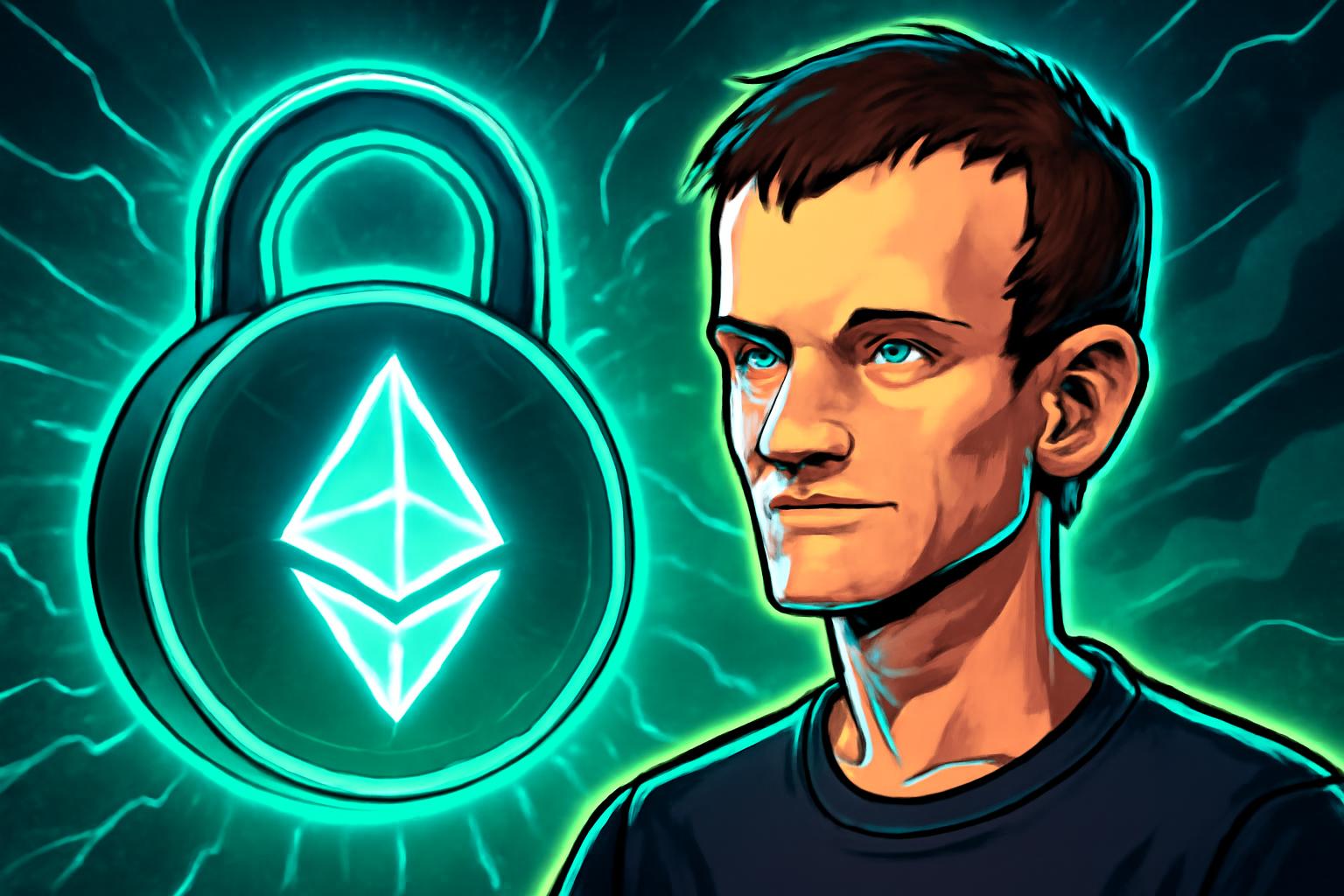
Ethereum is in one of those dangerous phases where it looks calm on the surface, but under the hood the ecosystem is going through a wild transformation. The move is obvious: Ethereum is trying to reclaim dominance in the smart contract game. The real question is whether this is a sustainable accumulation phase or a brutal setup where late FOMO buyers get washed out and rekt. The game has changed from “Ethereum vs. Other L1s” to “Ethereum + L2 stack vs. Everyone Else”.
Here is the key nuance that a lot of new traders miss: Layer-2s handle the bulk of high-frequency, low-value transactions with way cheaper gas fees and faster confirmations. But they still settle back to Ethereum mainnet, which means mainnet is turning into the high-value settlement and security layer. As usage on Arbitrum, Optimism, Base explodes, it doesn’t kill Ethereum revenue – it can actually boost total fees and strengthen the narrative that Ethereum is the core infrastructure of crypto. Arbitrum, Optimism, Base and the rest of the Layer-2 squad are no longer just side quests; they are where a huge chunk of real usage is happening: DeFi degens farming yield, NFT mints, on-chain gaming, and insane memecoin rotations.
Verkle Trees and a future upgrade called Pectra aim to boost scalability and usability, improving wallet flows, security primitives, and flexible smart contract interactions. These upgrades are not just geeky technical notes; they affect the investment thesis and carry execution risk that traders must price in. Gas Fees, Burn Rate, ETF Flows and the hidden risk remain central signals as Ethereum evolves, with ultrasound money tests under different conditions. Smart traders treat Ethereum as a core asset with a long-term story but still respect volatility, watching gas, burn, and L2 activity as early signals of the next narrative wave.





Leave a Reply