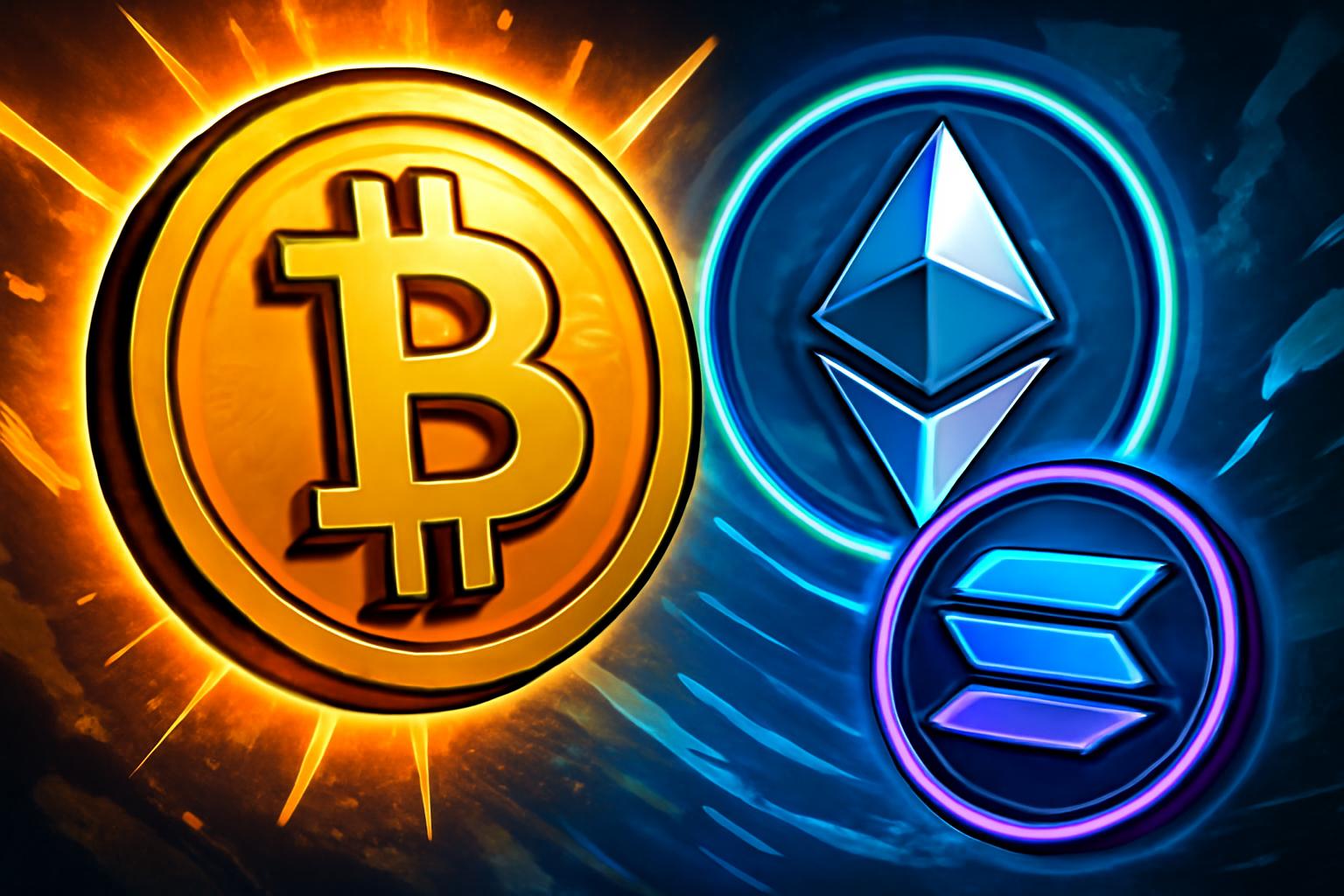

Bitcoin, Solana, and Ethereum are familiar names, but they serve different purposes in real-world use and portfolios. Unlike traditional cash, digital assets vary in function—from stores of value to technology platforms enabling decentralized finance—and require careful explanation to clients. Bitcoin is often described as a store of value, but it remains highly volatile and riskier than traditional safe-haven assets. Its volatility can be extreme, with annualized moves in the 70% to 80% range, making it a speculative investment rather than a guaranteed hedge.
Beyond Bitcoin, Ethereum and Solana function as programmable blockchains that support fast, low-cost transactions and decentralized financial systems. These platforms enable activities that traditional banks and businesses are pursuing, such as tokenized payments, lending, and decentralized applications. For example, Robinhood, Fidelity, and PayPal have launched dollar-backed stablecoins on Ethereum; Polymarket operates on Ethereum; and Shopify enables Solana Pay for crypto payments. Ethereum and Solana also offer staking, where holders contribute their tokens to help the network run and receive rewards.
Crypto adoption among advisors rose to a record level last year, with about a third allocating to crypto products, mainly through ETFs, per Bitwise. Even within crypto, diversification matters: a mix of Bitcoin, Ether, Solana, and a few other assets can help manage risk.










Leave a Reply