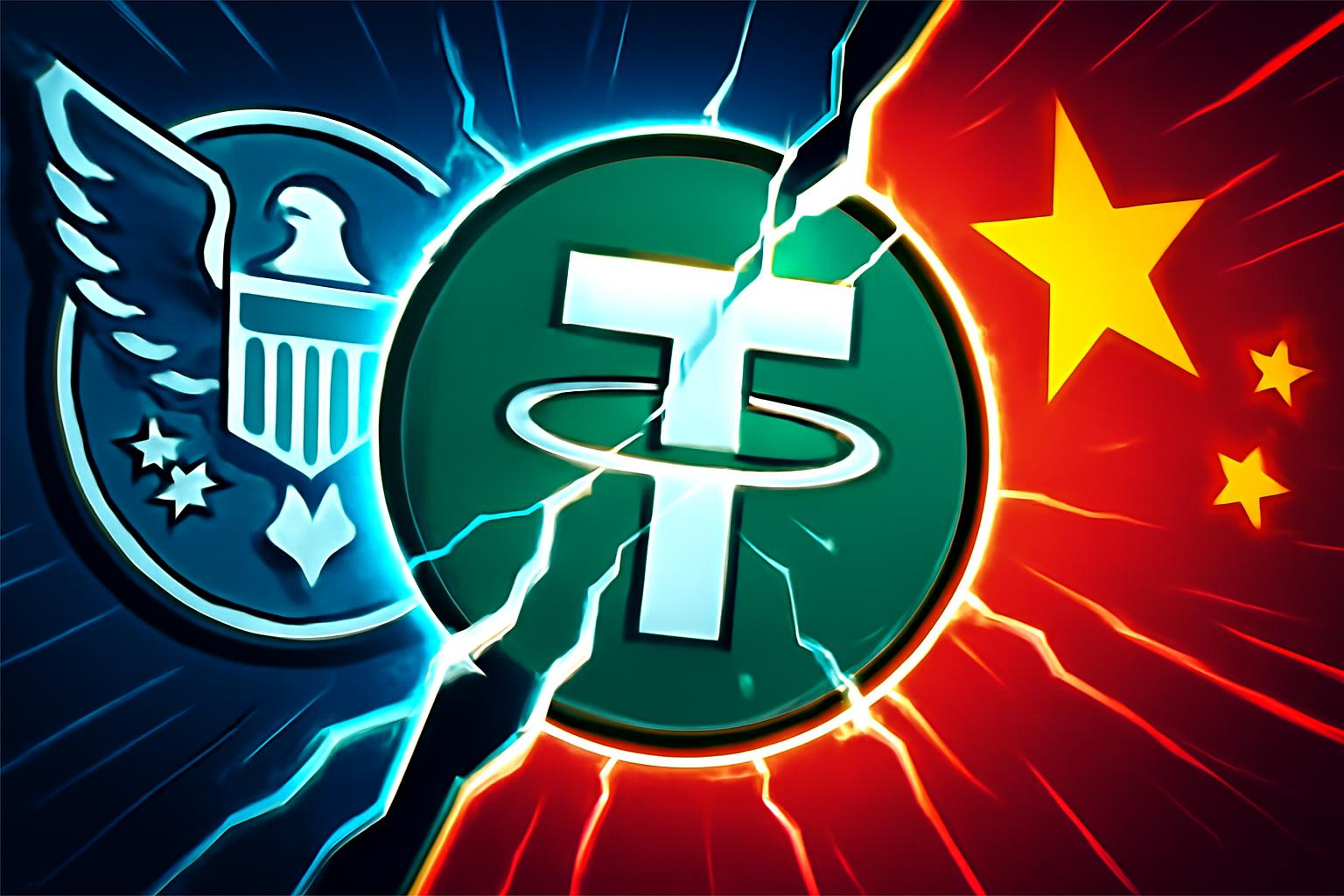

America can’t solve its stablecoin strife, China can’t shut down stablecoins fast enough, Tether can’t shake its dodgy reputation, and Russia can’t keep using crypto to evade sanctions. The Trump administration’s efforts to resolve the stablecoin ‘yield v rewards’ debate continue, albeit without tangible signs of progress. This fight between the crypto and banking sectors is one of the primary sticking points preventing advancement of the CLARITY Act. On February 2, White House crypto adviser Patrick Witt convened a meeting of stakeholders from both sides, praised as productive but yielding no real results beyond a willingness to keep talking.
On February 6, the PBoC, CSRC, and several other government agencies issued a joint statement banning offshore yuan-based stablecoins without approval. Beijing has long pursued a digital yuan, and while officials floated an offshore version to boost international appeal, they denounced stablecoins as tools for money laundering and illegal transfers. Hong Kong plans to issue HKD stablecoin licenses in March, with a small number of permits expected in the initial batch. The PBoC also unveiled a broader approach to tokenizing real-world assets that prohibits their use and restricts foreign entities from providing related services to domestic entities.
The only stablecoin named in China’s policy paper was Tether, aka USDT, which dominates fiat-pegged tokens with a market cap of about $184 billion. Tether has long been on China’s radar due to USDT’s popularity with pig-butchering scams in Southeast Asia and has sought to reassure regulators by cooperating with law enforcement and pursuing strategic investments in Anchorage Digital, Gold.com, and other crypto infrastructure ventures. In Turkey, authorities froze cryptocurrency holdings tied to an illegal gambling investigation, and Ardoino said Tether cooperated with authorities and worked with U.S. agencies as appropriate. European sanctions on Russia-linked crypto activities are tightening, with Ukraine accusing A7A5 of funding its missile program and the EU sanctioning Grinex and other A7A5-linked entities.





Leave a Reply