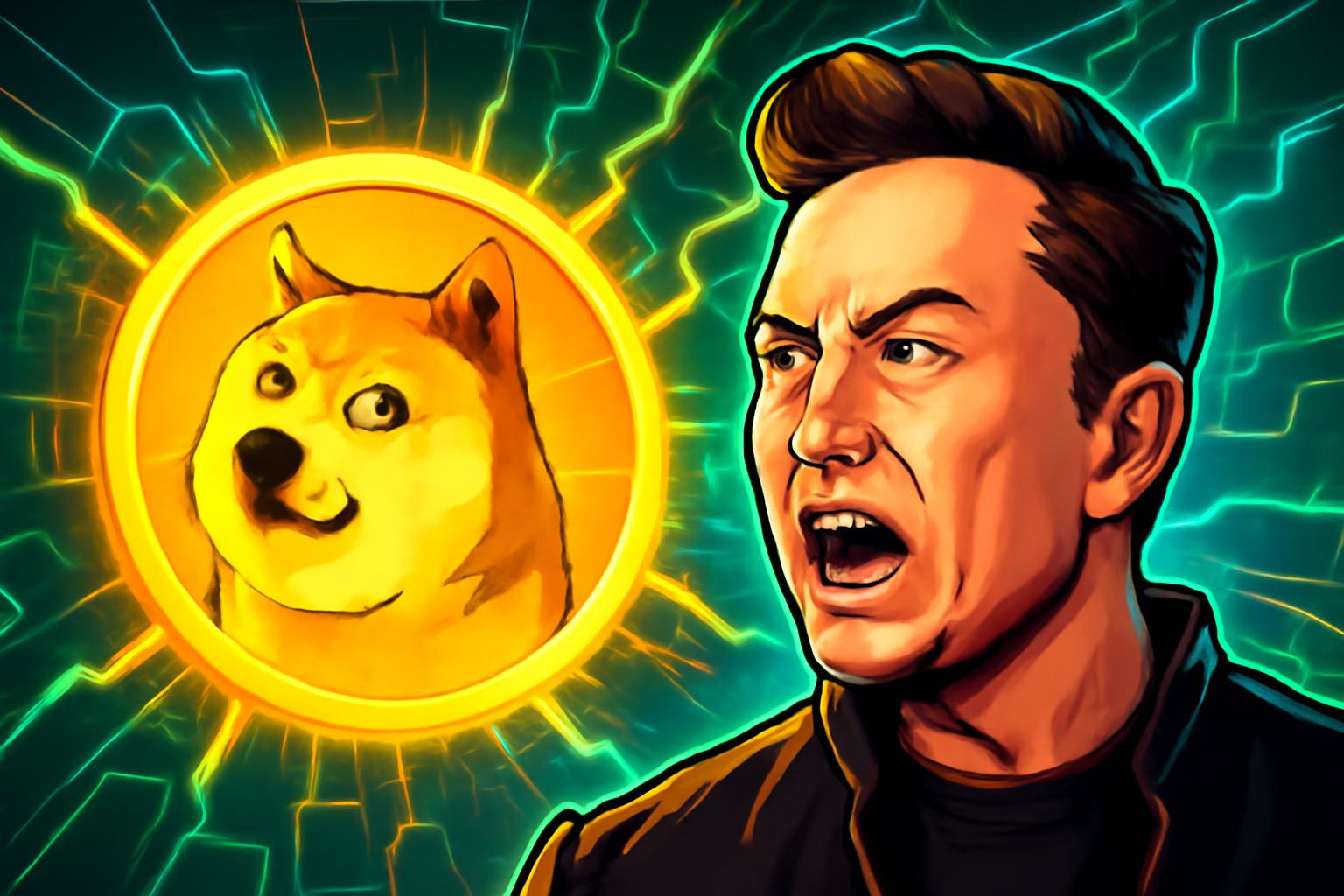

Dogecoin is not just a coin; it is pure internet culture on-chain. To understand what is happening, you have to zoom out and look at three forces colliding: the Elon Factor, the memecoin cycle, and the hardcore Doge Army psychology. Elon Musk has been the unofficial Dogecoin CEO for years, whether he wants the title or not. Right now, we are in a rumor-driven phase: no confirmed full integration, but repeated speculation, and every whisper about X payments tends to create waves in Doge’s chart.
The Memecoin Cycle: Why Doge Still Leads the Pack explains that in every cycle, memecoins rotate from joke to juggernaut. Doge is the original boss of this sector, acting as a leading indicator for the rest of the meme field. The cycle typically starts with Bitcoin and large caps, then moves into higher beta plays and memecoins when greed rises, with Dogecoin often leading the charge. If Doge mooning occurs, SHIB, PEPE, and the rest light up; when Doge is quiet, smaller memes suffer.
The fundamentals—hashrate, merge-mining, and real security—show that Dogecoin’s base-layer security is nontrivial: merge-mining with Litecoin secures both chains with a shared proof-of-work resource. This yields a higher effective hashrate, aligned incentives for Litecoin miners, and greater network resilience, distinguishing Doge from many meme projects that rely solely on smart contracts. While not a Bitcoin replacement, these foundations provide real infrastructure for potential tipping and payments. Sentiment and psychology drive Dogecoin’s moves: the Doge Army’s chatter can push timelines with rockets and moon chants, while fear can trigger capitulation.







Leave a Reply