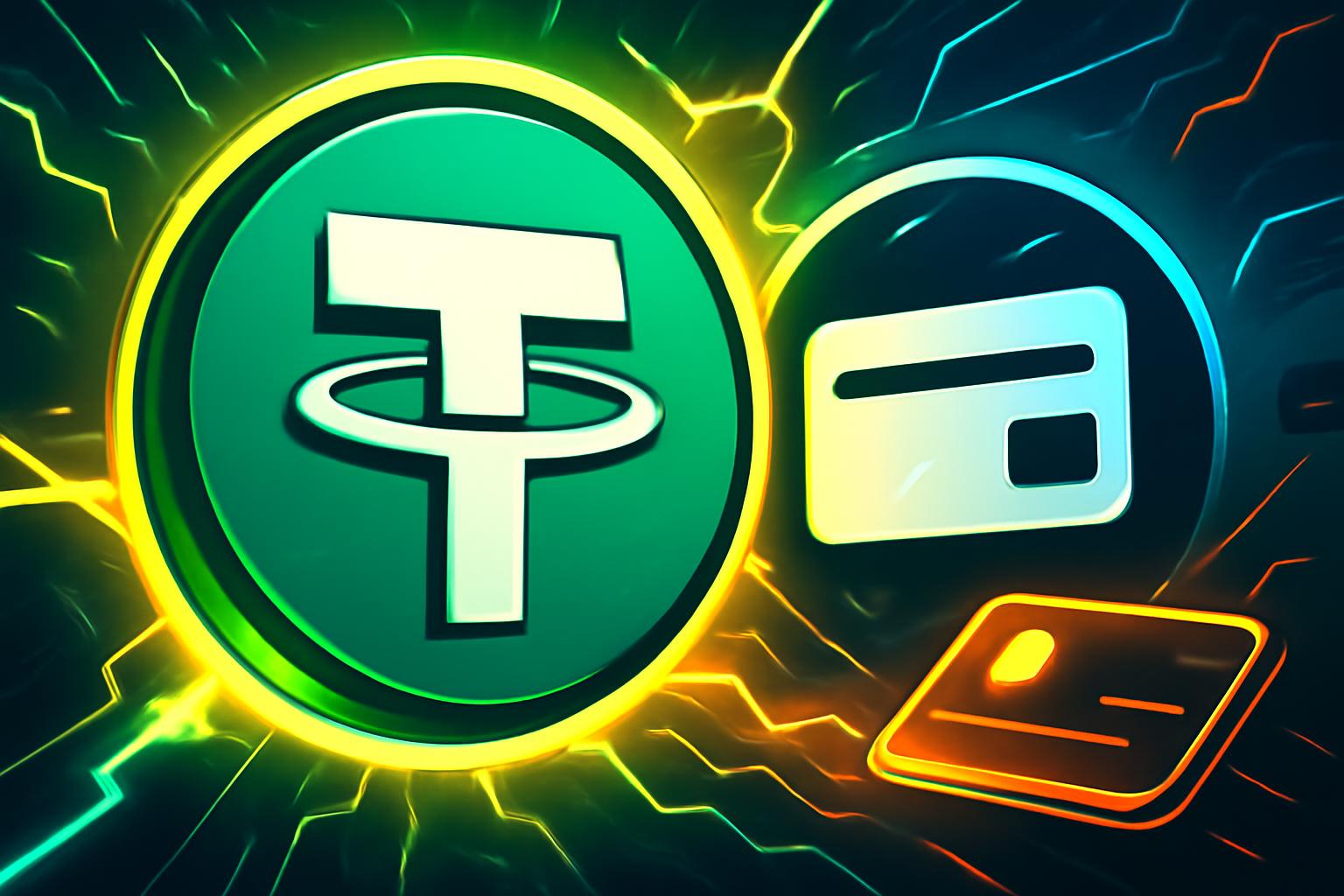

The digital finance landscape is witnessing a significant shift as Tether, the issuer of the world’s most widely used stablecoin (USDT), moves beyond its role as a liquidity provider to become a foundational pillar of the internet economy. In a series of rapid developments, Tether has announced a strategic $200 million investment in Whop, a premier digital marketplace, while simultaneously teasing a potential foray into the consumer banking sector with a cryptocurrency debit card. Strategic Investment: Tether has invested $200 million in Whop, valuing the digital product marketplace at $1.6 billion. Whop will integrate Tether’s Wallet Development Kit (WDK), enabling non-custodial stablecoin payments for millions of users.
Banking Expansion: CEO Paolo Ardoino teased a new crypto card service via a video featuring a metallic card-themed app icon. Global Reach: The partnership aims to facilitate “digital dollar” settlements across emerging markets in LATAM, Europe, and APAC. Economic Utility: These moves signal Tether’s evolution from a trading tool to a comprehensive provider of real-world economic infrastructure. Whop has emerged as a powerhouse for digital entrepreneurs, hosting over 18.4 million users and facilitating billions in annual transactions for software, courses, and community access.
By injecting $200 million into this ecosystem, Tether is positioning itself at the intersection of social commerce and decentralized finance. The technical core of this partnership lies in the integration of Tether’s Wallet Development Kit (WDK). This open-source tool allows Whop to offer self-custodial payment options, meaning creators can receive payments in USDT and USAT without relying on traditional, often high-fee, banking rails. For the average cryptocurrency user, this integration suggests a future where digital earnings are as liquid as cash. Whop’s monthly transaction volume has been growing at a rate of 25%, and the addition of stablecoin settlements is expected to reduce friction for users in regions with volatile local currencies or limited access to global payment processors like Stripe or PayPal.










Leave a Reply