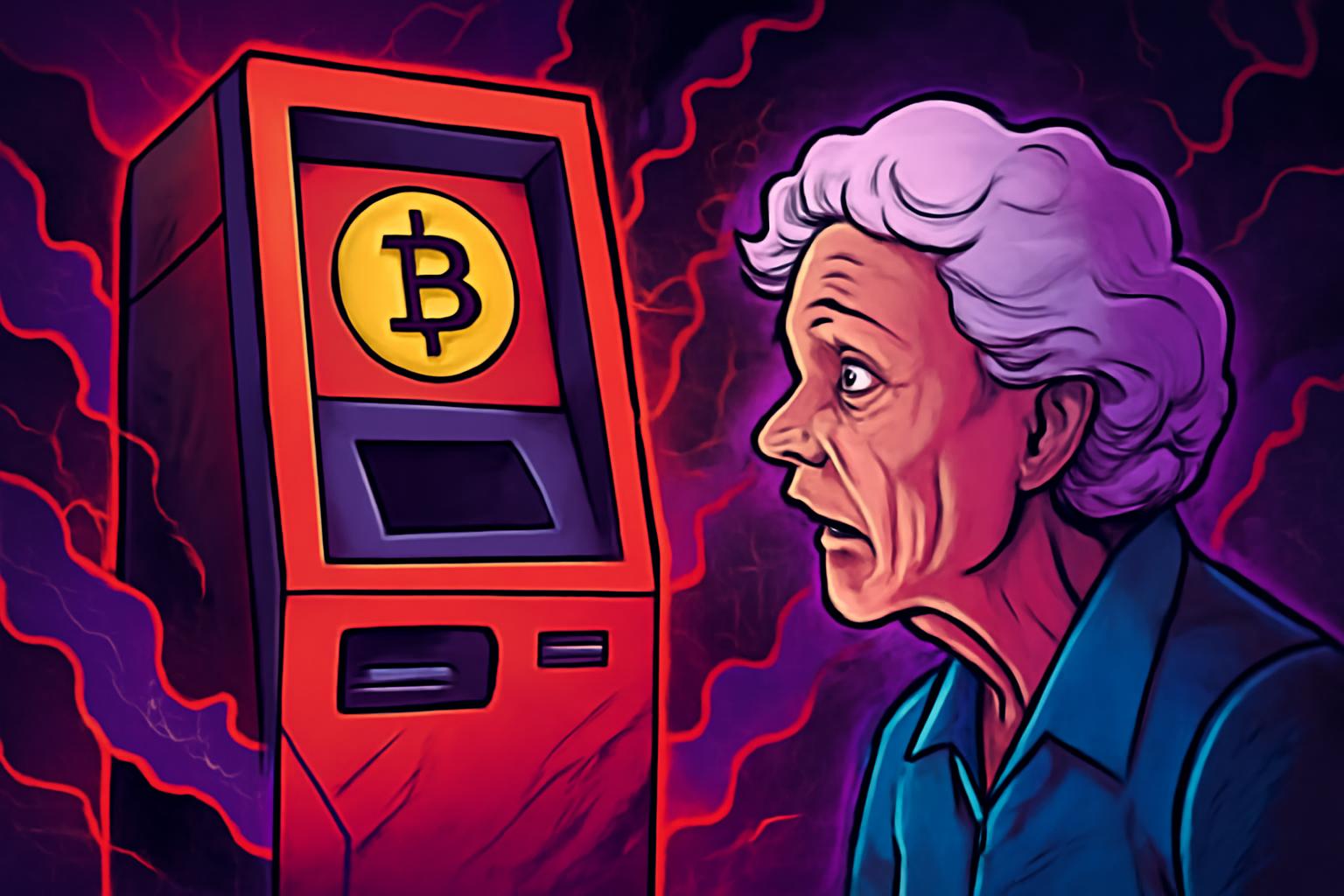

In a joint effort between Minnesota lawmakers, local law enforcement, and the Department of Commerce, legislation has been introduced to ban crypto ATMs across the state in response to widespread fraud and financial abuse, particularly of the elderly. Bill HF3642, sponsored by Rep. Erin Koegel, would prohibit the use of virtual currency kiosks or “crypto ATMs,” that also accept cash and debit cards, in response to 70 official complaints of financial fraud totalling over $540,000 in 2025. The catalyst for the legislation was a single incident in which police officers responded to a call about a senior citizen who appeared confused at a gas station cryptocurrency kiosk. Upon further investigation, police discovered that she had been giving 50 percent of her monthly income to scammers, leaving her on the verge of having to live out of her car.
According to law enforcement, the scammers often target the elderly, using false identities and emotional stories to gain power over them and coerce them into parting with their pensions or retirement savings. The Commerce Department, however, disagrees. Sam Smith, government relations director at the Department of Commerce, points to the fact that just 48% of consumer complaints resulted in a refund, while those refunds averaged just 16% of the total fraud amount, as evidence that additional legislation is necessary. As of now, approximately 350 licensed cryptocurrency kiosks operate in Minnesota, but digital currency companies across the United States could be affected by the legal precedent this bill sets.
A bipartisan coalition of Minnesota lawmakers, local police, and the Department of Commerce has introduced HF3642 to ban virtual currency kiosks, or crypto ATMs, that also accept cash and debit cards. The measure responds to 70 official complaints of financial fraud totaling over $540,000 in 2025 and is anchored by a high-profile incident at a gas station involving an elderly resident misled by a crypto kiosk. The aim is to curb scams that prey on seniors and to reduce the risk of abusive financial schemes. Law enforcement officials say scammers exploit false identities and manipulative stories to extract pension money and retirement savings from older residents. The Commerce Department, however, notes that just 48% of consumer complaints led to refunds, with refunds averaging only 16% of the total fraud, arguing more safeguards are needed. Minnesota currently hosts about 350 licensed crypto kiosks, and the bill could set a precedent affecting nationwide digital-currency policies. If enacted, HF3642 would tighten statewide controls on crypto kiosks and potentially influence other states’ regulation. Supporters emphasize protecting vulnerable populations, while opponents warn of overreach and economic impact on crypto businesses.












Leave a Reply