

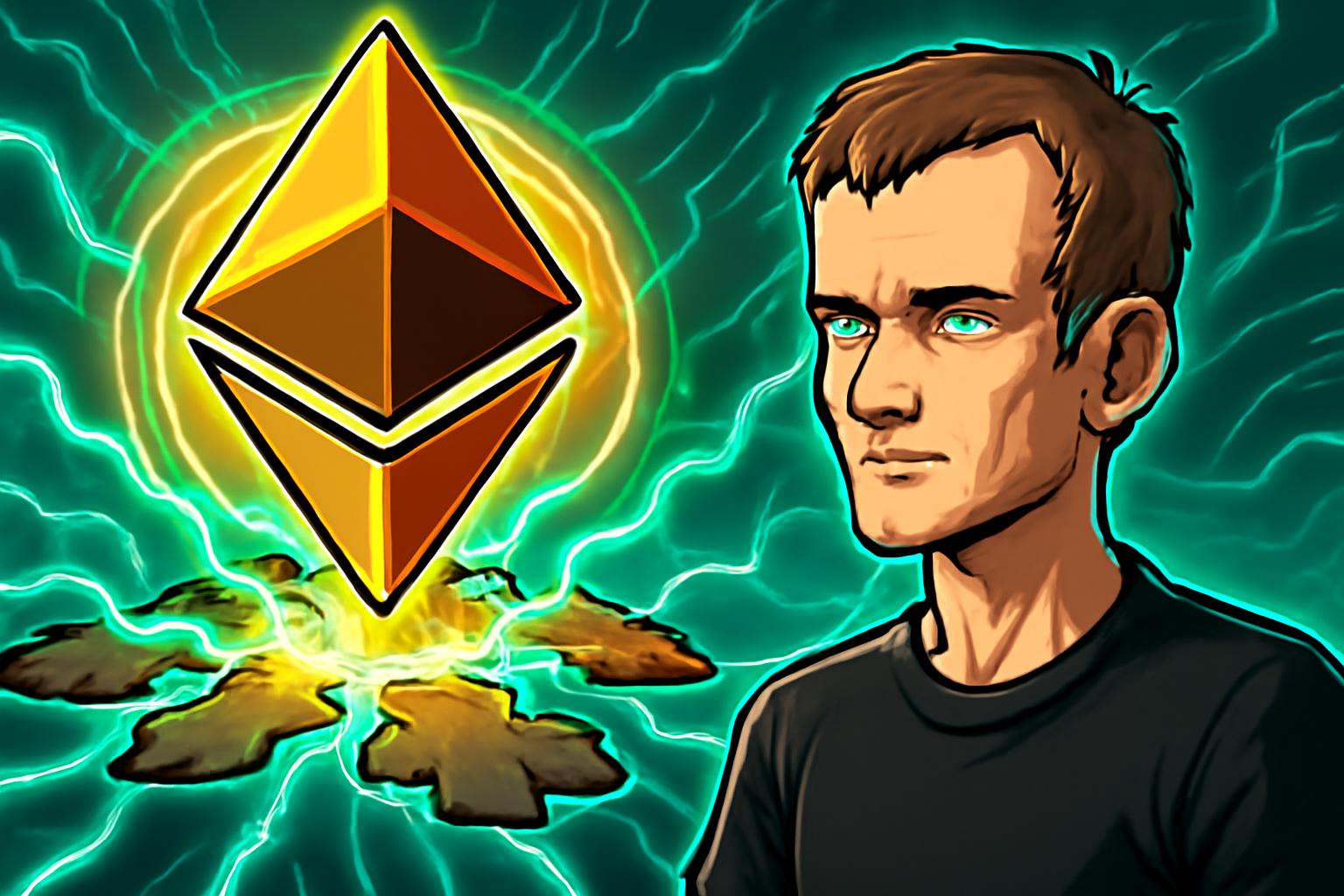
Ethereum (CRYPTO: ETH), for its part, is up just 16% during the past three years, and in the last three months, it fell by 38%. Today, Ethereum is effectively the operating system on which the majority of decentralized finance (DeFi) runs, meaning that it’s the native asset for an ecosystem of applications for lending, borrowing, and exchanging assets without intermediaries in the traditional financial sector. Given its positioning in DeFi today, its future dominance is very likely, implying that there will continue to be persistent demand for the blockchain’s native coin, Ether. Ethereum hosts a huge share of the DeFi market’s $96 billion in total value locked (TVL), with about $55 billion in TVL, or the amount of digital assets held on a chain.
Solana, Ethereum’s next-closest competitor in DeFi, has less than $7 billion in TVL. So Ethereum’s lead is commanding even in the face of at least one capable competitor that offers both lower transaction costs and faster transaction times. The chain also has a huge amount of developer activity; in Q4 2025, a record 8.7 million smart contracts were deployed on Ethereum. Its daily active wallet addresses nearly doubled during 2025, and there are now more than 651,000 active daily wallets.
Two major protocol upgrades are slated for Ethereum in 2026, both of which are aimed at making the network faster, cheaper, and more resilient. Glamsterdam, expected in the first half of the year, will create the software prerequisites for the chain to later add parallel transaction processing, which would increase the chain’s speed and likely drive down its costs too. Among many other features slated for launch, developers plan changes that could lower gas (user) fees substantially. The second upgrade, Hegota, which is targeting a launch in late 2026, will try to address the hardware costs of securing the network, potentially making validator participation cheaper and increasing resilience by attracting more independent validators.
That could make it cheaper to run validator nodes, which could in turn make the chain more resilient against disruption by way of attracting more independent validators — the participants who verify transactions and add them to the blockchain. The second upgrade, Hegota, which is targeting a launch in late 2026, will try to address the hardware costs of securing the network, potentially making validator participation cheaper and increasing resilience by attracting more independent validators. These two packages will not be the last, and they will make Ethereum an even more appealing place to develop apps and to do on-chain business using DeFi or other applications. Still, investors should stay realistic about what’s likely to happen this year.
Nonetheless, both Glamsterdam and Hegota will strengthen the technical foundations that have so far been quite effective at attracting and retaining institutions, developers, and long-term holders. As the ecosystem evolves, Ethereum presents a compelling long-term case for developers and investors alike.







Leave a Reply