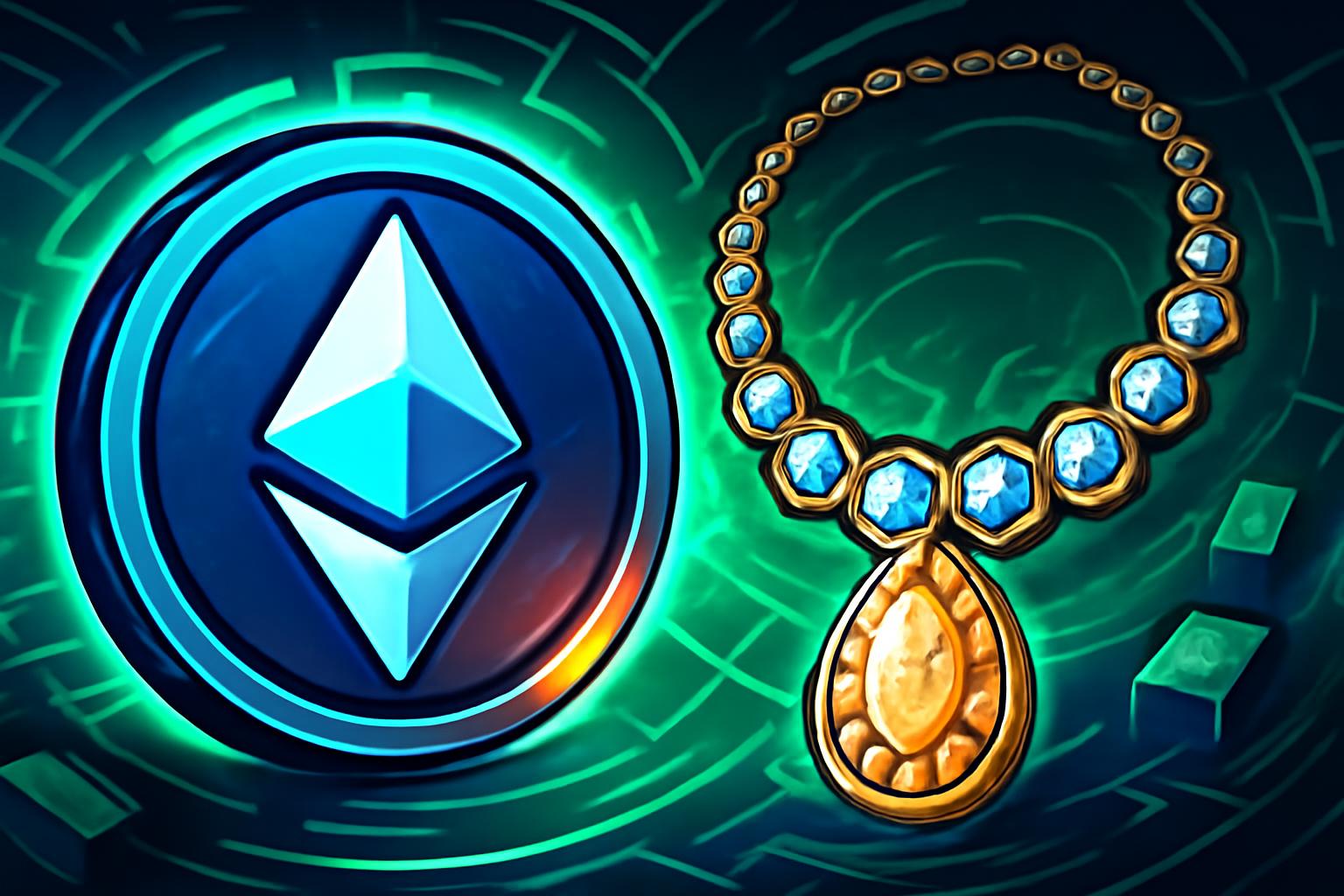

Luxury jewelry NFTs represent blockchain-based digital assets linked to high-end jewelry brands or physical pieces. These NFTs often function as certificates of authenticity, collectible artworks, or digital twins of real jewelry items. By leveraging blockchain technology, brands can ensure secure ownership records, traceability, and exclusivity for luxury products.
Many luxury houses have started launching limited-edition NFT collections tied to physical jewelry pieces or virtual fashion experiences in the metaverse. The concept combines traditional luxury craftsmanship with emerging Web3 ecosystems, enabling new forms of engagement with tech-savvy consumers. Despite challenges such as regulatory uncertainty and cryptocurrency volatility, the market is expanding as luxury brands explore innovative digital ownership models and immersive retail experiences.
Market trends include phygital jewelry releases, metaverse fashion shows, blockchain provenance tracking, NFT membership perks, and collaborations with digital artists. Market drivers include the rise of Web3 adoption, luxury brand digital transformation, demand for digital collectibles, blockchain authentication benefits, and younger luxury consumers. Market opportunities include crypto market volatility, regulatory uncertainty, environmental concerns, consumer skepticism, and digital asset security risks. Market challenges include brand loyalty programs, digital luxury collectibles, metaverse retail, authentication services for resale markets, and blockchain supply chain transparency.
Dominating region is Europe, with Asia-Pacific identified as the fastest-growing region. Major key players include Tiffany & Co., Bulgari, Cartier, Prada, Dolce & Gabbana, Gucci, Louis Vuitton, Sotheby’s Metaverse, OpenSea, Rarible, Binance NFT, Arianee, Bitmark, Luxochain, NFTically, Jewelry Chain, Art Blocks, Christie’s Digital, De Beers Tracr, and the Metaverse Fashion Council.









Leave a Reply