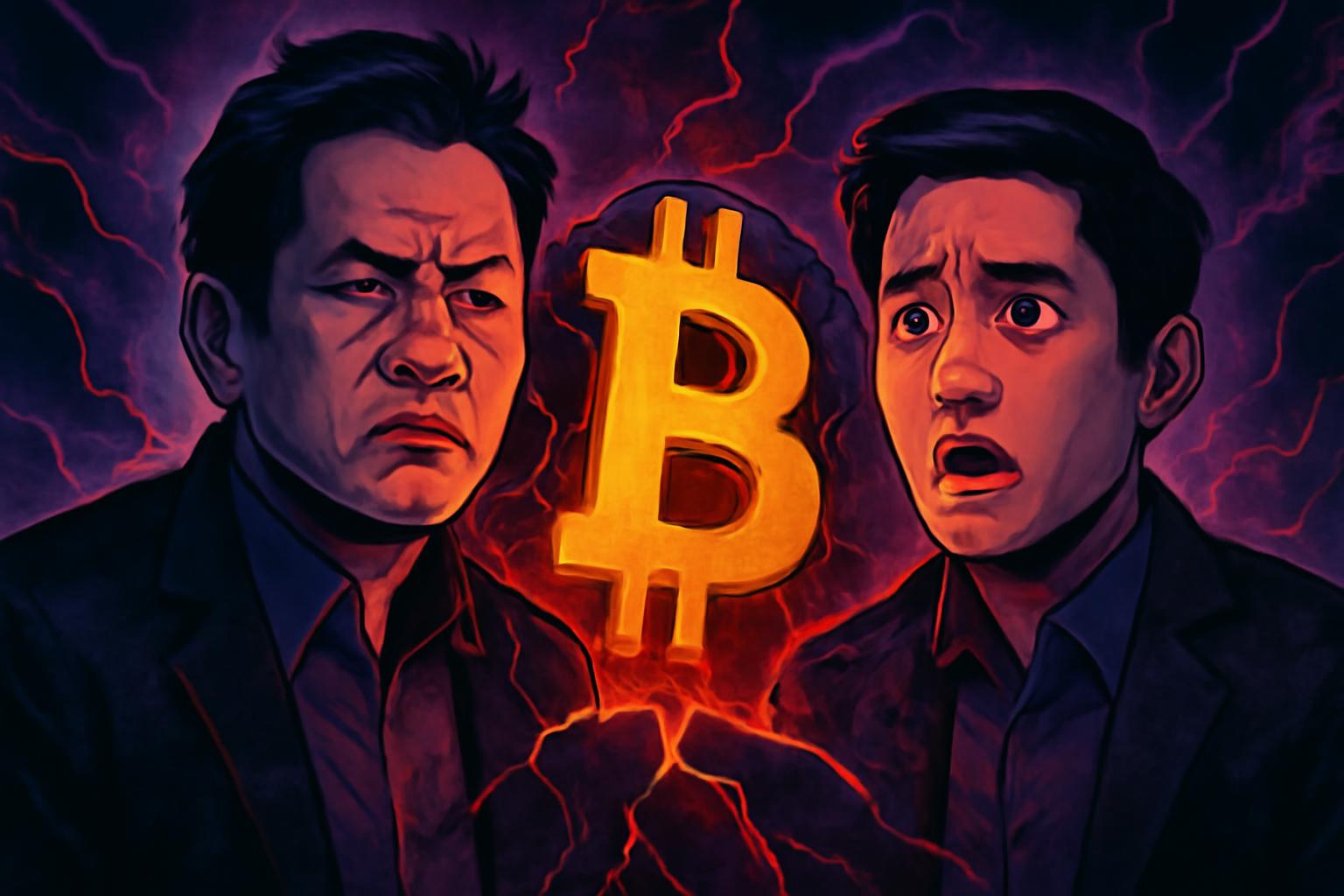

Mr Worawat, 36, known online as “Acme Traderist”, built a reputation as one of Thailand’s earliest cryptocurrency investors. According to sources in the digital asset community, he began working with Bitcoin mining as early as 2012, when cryptocurrencies were still largely unknown in Thailand. Mining involves using computing power to generate cryptographic solutions that validate blockchain transactions. Over the years, Mr Worawat cultivated a public image as a successful crypto entrepreneur.
He served as chief executive of Bitnance Co Ltd and was often portrayed as a pioneer in the local digital asset sector. Some estimates suggested he held up to 8,000 Bitcoins, a holding worth hundreds of millions of dollars at peak prices. His reputation was further reinforced by media appearances, awards in the financial sector and an honorary doctorate in finance from the European International University in Paris. Mr Worawat’s personal life also drew public attention. He married actress Nutcha “Nonny” Schuhmacher in 2023 and was known for his luxury lifestyle and connections with business and political figures, including photos of him hugging former prime minister Thaksin Shinawatra.
He also promoted international business partnerships, including a reported investment collaboration with the TransEuro Group involving projects in the United Arab Emirates worth more than US$300 million (9.7 billion baht). The controversy erupted on March 9 when a group of investors, accompanied by Tankhun Jitt-itsara, president of the Santiprachadham Club, filed a complaint with the Central Investigation Bureau. They accused Mr Worawat of persuading investors to buy into cryptocurrency projects called WOWBiT and ACET ONLY. Victims were reportedly promised that their investments could generate returns up to 500 times the original amount once the projects matured on March 1.
However, when the deadline arrived, investors said they were unable to withdraw their funds. According to complaints filed with the police, Mr Worawat initially told investors that the platform had been hacked. Later explanations cited foreign anti-money-laundering rules that allegedly prevented the funds from being transferred. Authorities say Mr Worawat left Thailand in November 2024 and is believed to be residing in the United Arab Emirates. By March 11, investigators from the Economic Crime Suppression Division reported that at least 61 victims had filed complaints. Confirmed losses amount to roughly 76 million baht, although police suspect the total damage could be far higher. Pol Maj Gen Thatphum Jaruprat, commander of the Economic Crime Suppression Division, said police are seeking an Interpol red notice for Mr Worawat while considering charges under the Computer Crime Act and public fraud laws.
Around the same time, allegations surfaced involving Kampanat Vimolnoht, 37, a former board director associated with KasikornX Venture Capital (KXVC). KXVC is the venture investment arm of Kasikornbank and focuses on emerging technology sectors such as artificial intelligence and Web3. Mr Kampanat had previously cultivated an image as a well-connected venture capital analyst with expertise in cryptocurrency projects. He holds a master’s degree in investment analysis from the United Kingdom and has appeared at events such as the Singapore FinTech Festival in 2024.
According to investors, he promoted investment opportunities based on “token allocation” deals in several prominent blockchain projects, including Monad, Babylon and Linera. Token allocation deals typically allow early investors to purchase project tokens at low prices before public trading begins. Such opportunities are often distributed privately through venture capital networks, founders or cryptocurrency influencers. Because early investors can sometimes make large profits when a token launches on public exchanges, these deals are considered highly attractive within the crypto community.
How did the scheme unfold? Investors said Mr Kampanat offered them access to these early token allocations and provided contracts purportedly linked to KXVC. Some of the projects he referenced had previously announced partnerships with venture funds, which helped make the offers appear credible. In the alleged scheme, investors transferred money and received documents outlining token purchases and vesting periods.
Problems began to surface in October 2025 when some deals reached their token release date, and investors began requesting delivery of the assets. Mr Kampanat reportedly cited various explanations for delays, including paperwork issues, market conditions and problems with partner projects. In some cases, he claimed he had also been misled by third parties. However, by November, several investors could no longer contact him. Further checks suggested that some of the contracts might have been fabricated using altered documents from KXVC. Victims from Thailand, Singapore, Vietnam and the United States later reported losses ranging from about $20,000 to more than $1 million each. Subsequent enquiries with 19 cryptocurrency projects revealed that most had never heard of Mr Kampanat and had not allocated any tokens through him. KXVC later stated on its website that Mr Kampanat had left the organisation in March 2025 and that the fund had no involvement in fundraising activities conducted outside its official operations.
The company also emphasised that KXVC is a corporate venture capital fund that invests its own capital rather than raising money from external investors. As of March, Mr Kampanat is believed to have left the country, and no formal criminal case has yet been confirmed. The two cases highlight common patterns in the cryptocurrency investment ecosystem, where deals often circulate through private online networks such as Telegram or WhatsApp groups. Investors were offered deals promising either extraordinary returns or early access to tokens before public trading. As some real venture capital investments operate in similar ways, such offers can appear legitimate. The scandals have renewed calls for greater caution among investors and stronger oversight of digital asset investments in Thailand’s rapidly evolving crypto market.












Leave a Reply