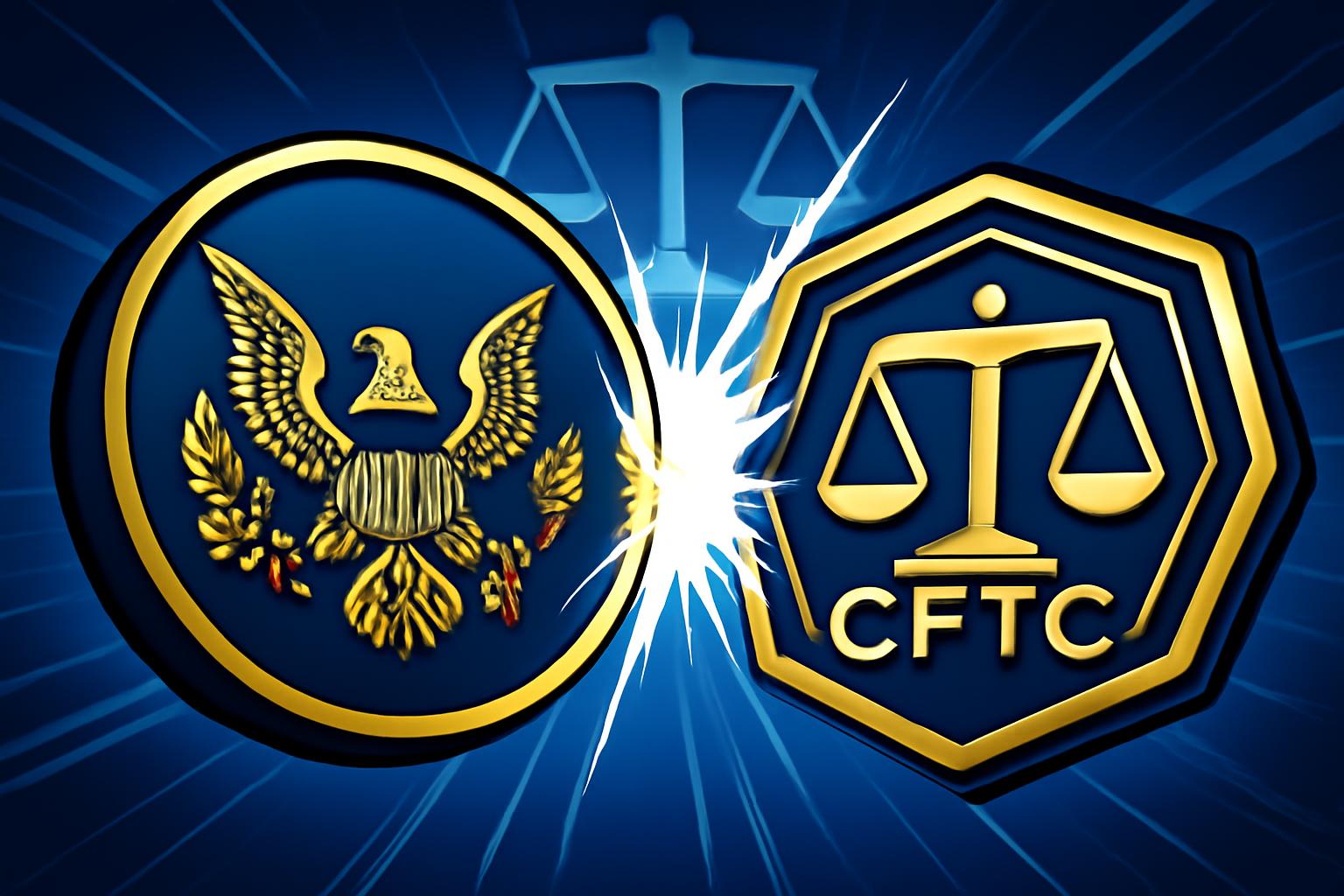

The U.S. Securities and Exchange Commission (SEC) and the Commodity Futures Trading Commission (CFTC) have signed a memorandum of understanding to provide a more integrated regulatory approach to the digital assets space. “Beyond simply aligning our rules, a harmonized framework would also coordinate the responses of the firms operating within it, including those with questions about interpretation or requests for exemptions,” said SEC Chairman Paul Atkins. The memo’s key proposals are that, unlike two years ago, the SEC and CFTC will coordinate how digital assets are defined as securities or non-securities. One of the memo’s goals is for institutions to clarify product definitions through joint interpretation and rulemaking.
The memo also states that the relevant agencies will update regulatory regimes for subject companies across multiple areas, including clearing and margin, trading data, and intermediaries. The harmonization effort could extend beyond crypto, and regulators are weighing plans to move to a single office building. As the SEC and CFTC work to integrate their approaches, the agencies and broader industry participants are watching the fate of the Senate’s market-structure bill. Senate Majority Leader John Thune said in an interview with Punchbowl News earlier this week that he does not expect the bill to pass the Senate before April.
However, it remains uncertain how much the bill will affect the Senate’s work on market structure, as lawmakers continue negotiations over the Department of Homeland Security budget, and President Trump has noted that he wants Congress to pass the SAVE Act before signing other legislation. The SEC and CFTC have signed a memorandum of understanding to pursue a more integrated regulatory approach for digital assets. The memo emphasizes harmonizing how digital assets are defined as securities or non-securities and coordinating responses for firms navigating interpretation questions or exemption requests. Key proposals include jointly clarifying product definitions through shared interpretation and rulemaking, and updating regulatory regimes across clearing, margin, trading data, and intermediaries.
The document also notes that the harmonization effort could extend beyond crypto and that regulators are weighing centralized office arrangements to improve coordination. As industry participants and regulators monitor the fate of the Senate’s market-structure bill, the move toward a unified framework could influence legislation. Senate Majority Leader John Thune told Punchbowl News that the bill is unlikely to pass the Senate before April, as lawmakers continue budget negotiations and consider other priorities such as the SAVE Act.













Leave a Reply