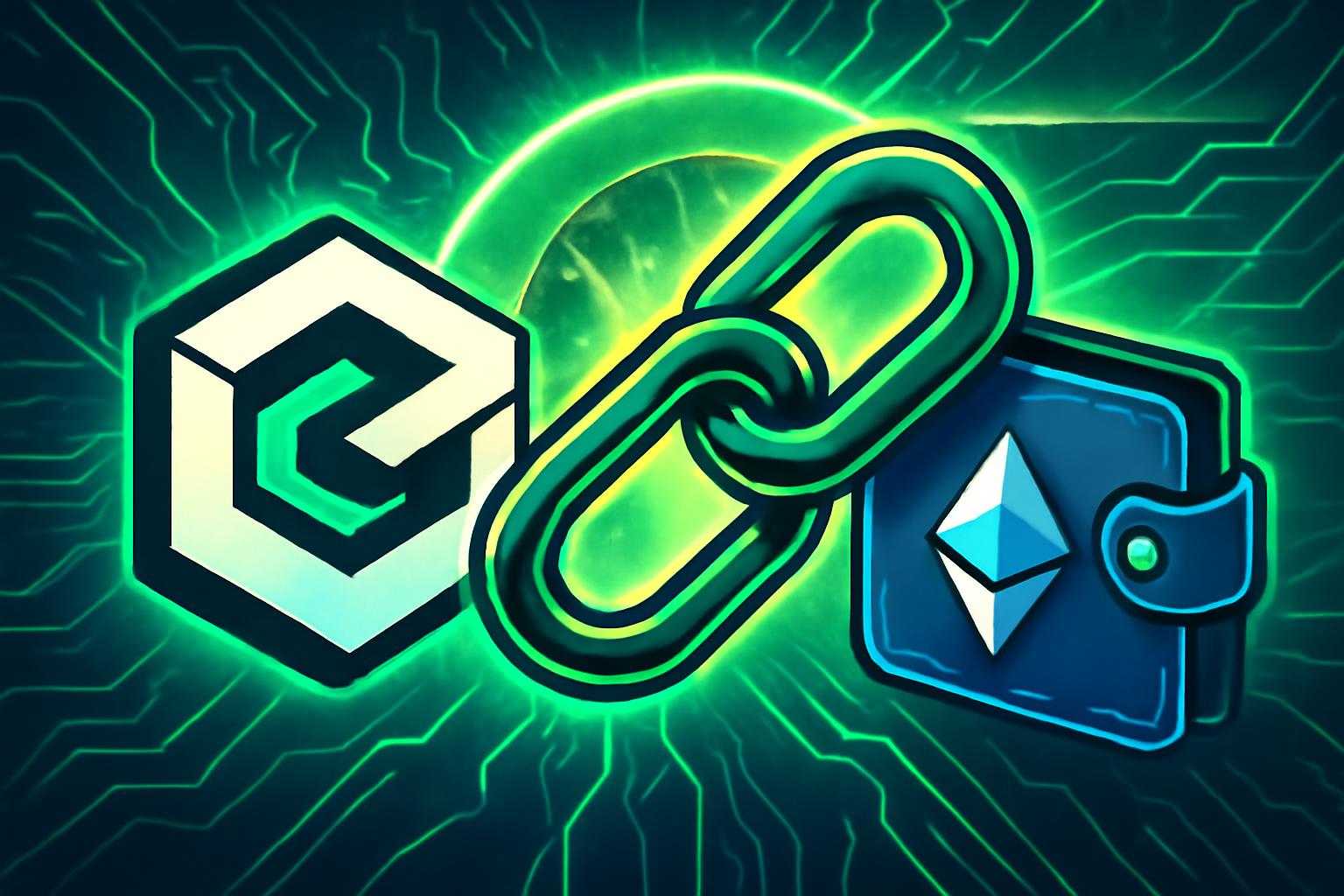

Over the last several years, a small number of Web3 game teams have begun to set the tone for what “serious” blockchain integration looks like. Their success is not rooted in hype cycles or token prices; it comes from architectural clarity. Unity sits at the centre of this shift because it already underpins a large proportion of cross-platform games, from mobile to console to XR. This article outlines how leading teams frame Web3 within a Unity architecture: where blockchain belongs, where it does not, and how those decisions change the way the next generation of games is built.
At its foundation, blockchain is a decentralized ledger: secure, transparent, and shared. In games, that enables something players have rarely had at scale: provable digital ownership that persists beyond a single title or server. Historically, in-game assets have lived entirely on centralized servers. Players invest time and money, but they do not own those assets in any actionable sense.








Leave a Reply