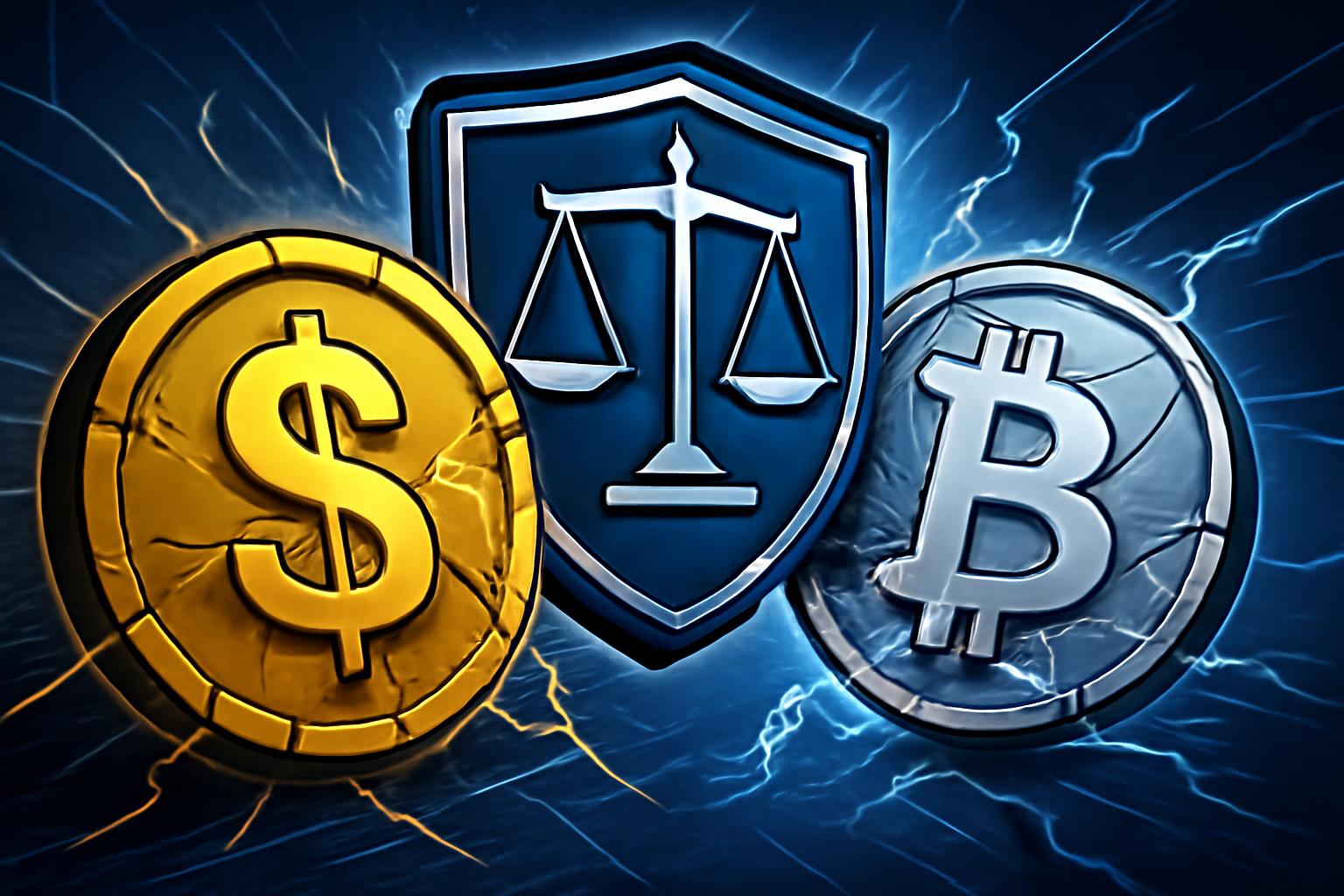

Shin Hyunsong, a nominee for South Korea’s central bank governor, has consistently maintained a conservative and critical view of stablecoins and digital assets. He argues that stablecoins do not meet the essence of money and cannot easily replace existing fiat, while strongly advocating CBDC integration with a Unified Ledger. In a BIS Bulletin No 73 published in April 2023 and co-authored with Rodney Garett, he analyzed how digital anonymous instruments like stablecoins could violate money’s Singleness of money and deviate from par value.
In July 2025, in an interview with Chosun Ilbo, he noted that stablecoins carry an “exchange rate” label. He cited the 2023 Silicon Valley Bank failure, pointing out that the dollar-stablecoin USDC fell from 1.0 to 0.88, warning that stability can degrade in crisis. He warned that large-scale sales of stablecoins could raise market rates through reserves of short-term U.S. Treasuries, potentially unsettling financial markets. He also highlighted fragmentation in the blockchain ecosystem, arguing that decentralization requires substantial validator rewards, which raise gas fees and push users to cheaper chains like Solana and Tron, thereby fragmenting liquidity and diminishing network effects.
Moreover, he emphasized interoperability issues between Ethereum-based USDC and Solana-based USDC, which require bridges and disperse liquidity, weakening the essential network effects of money. He discussed the risk to capital flows and monetary sovereignty in emerging markets, warning that won-based stablecoins could undermine foreign exchange controls. At the August 2025 ESWC, he proposed a “Legal Use Score” to track wallet histories and steer illicit coins toward low-priced trades as a regulatory tool. Ultimately, he advocates replacing private, anonymous decentralized systems with a central bank–driven model where tokenizing reserves and bank deposits occurs on a central bank’s Unified Ledger to preserve monetary unity and maximize network effects.










Leave a Reply