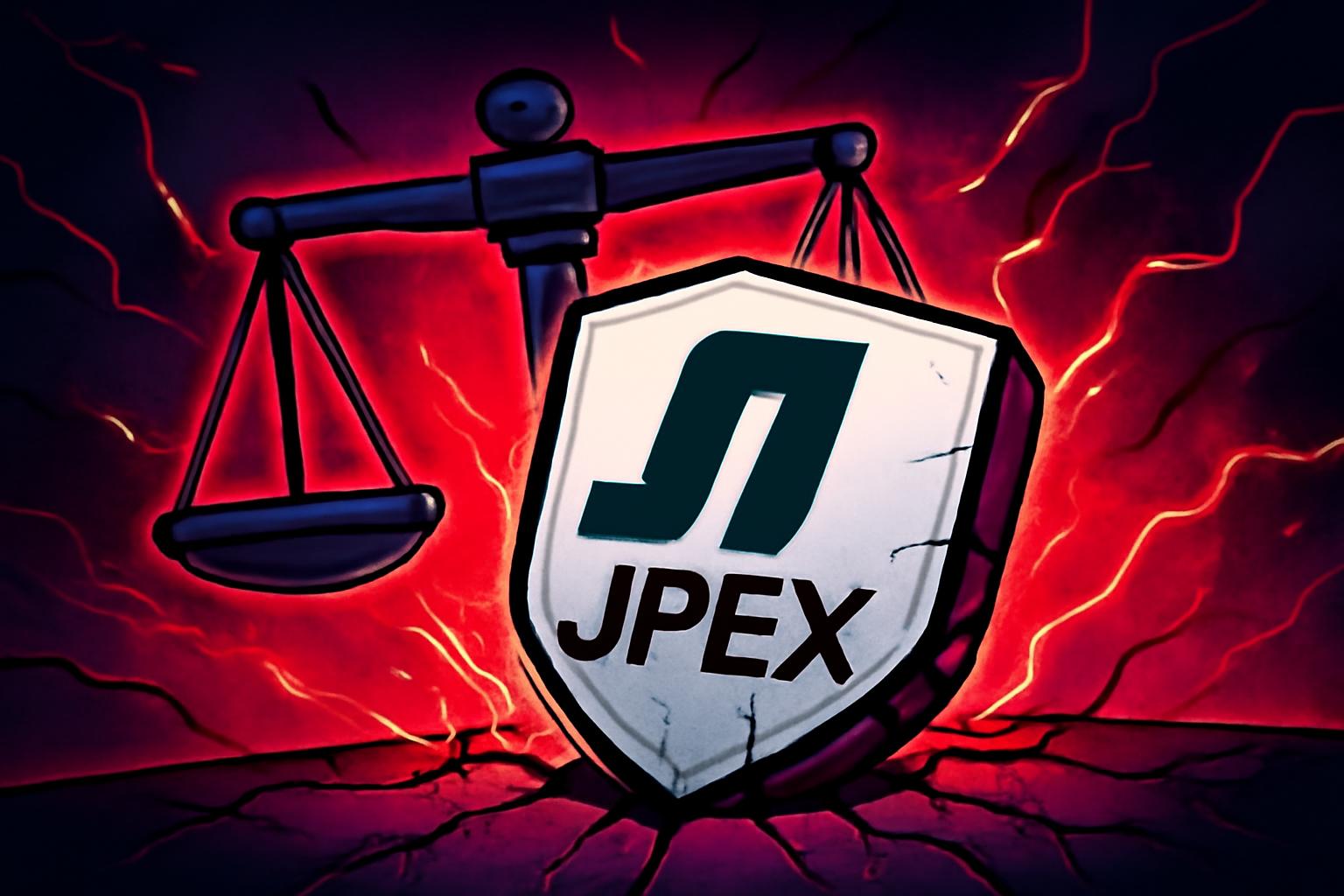

The Hong Kong JPEX case, which emerged in September 2023, has rattled the cryptocurrency market and exposed a large-scale fraud. It involved more than 2,700 victims and losses totaling about 16 billion Hong Kong dollars, illustrating how regulatory gaps can enable fraud. Since the outset of the investigation, Hong Kong authorities have detained 80 suspects, frozen about HKD 228 million in assets, and recently charged 10 more individuals with money-laundering offenses, bringing total charges to 26. International investigators continue coordinated efforts, underscoring the need for shared global standards and cross-border cooperation.
Meanwhile, the JPEX case raises questions about how such fraud could unfold in open markets like Korea, where investors pursue high returns amid uneven regulation. Korea’s crypto market has seen a rapid expansion of exchanges, many operating under regulatory gaps. Investors around the world are drawn to crypto by the prospect of high returns, but regulatory gaps and trust deficits have produced a range of losses. The JPEX episode exposes these vulnerabilities in stark detail, and Korea’s market is not immune.
Korea’s amended Special Financial Information Act (SFIA) requires crypto operators to register, yet only about 30 have done so, with many platforms still unregistered. This situation makes it difficult for investors to verify the credibility of the platforms, especially when overseas-based platforms target Korean investors. The case underscores the need for robust enforcement and timely data sharing among regulators. The Korean regulators could look to Singapore or Switzerland for clear regulatory frameworks that balance innovation with investor protection.
Some industry voices warn that excessive regulation could stifle innovation and drive capital abroad, while others call for stronger safeguards and efficient enforcement. The JPEX case serves as a cross-border warning that Korea must act to strengthen investor education, warning systems for unregistered platforms, and clear redress procedures. Initial lessons from this event suggest that global cooperation and credible information are essential to a safe yet innovative crypto market. The future of Korea’s crypto market depends on credible regulation and rapid adaptation by both government and industry.








Leave a Reply