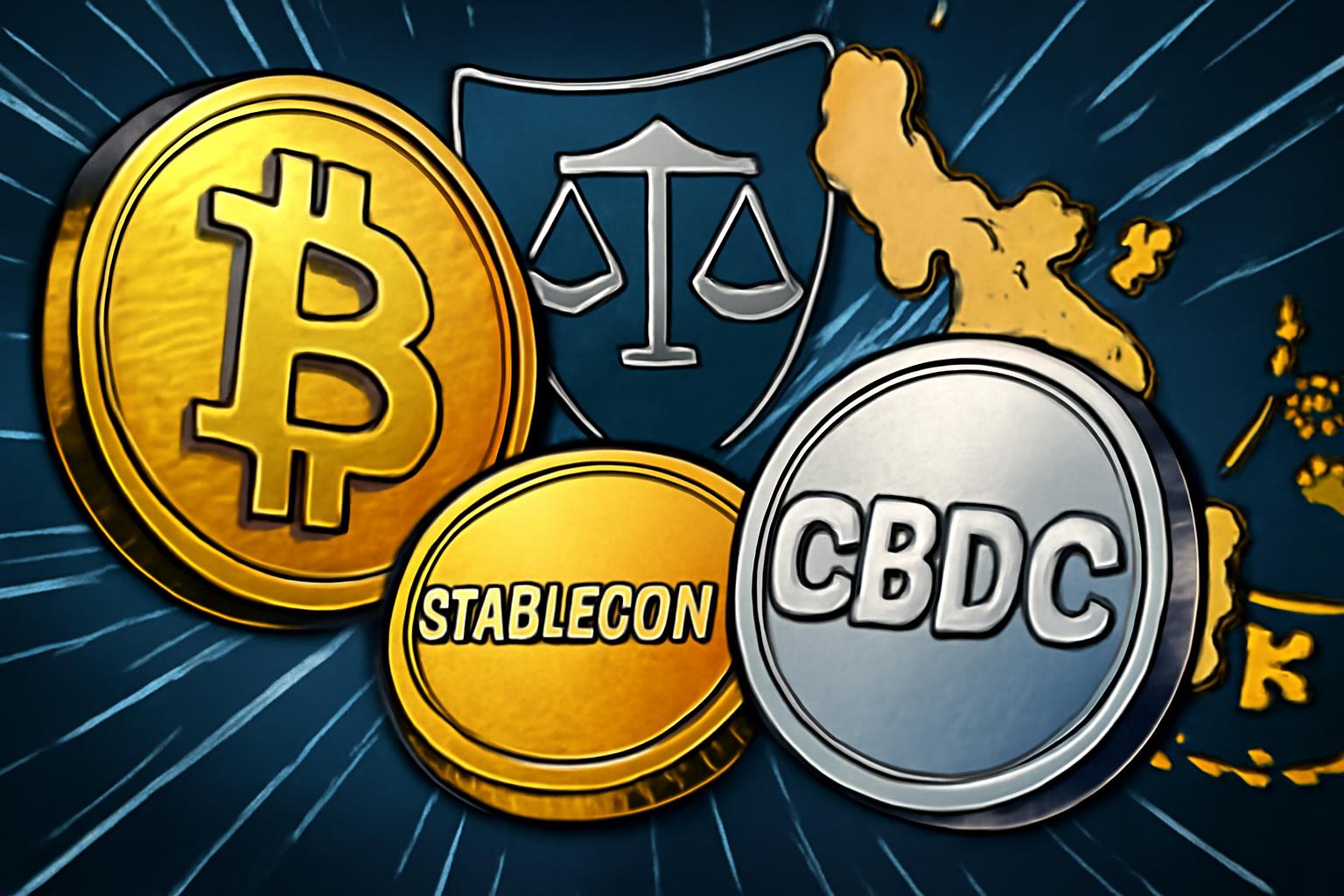

The Iran-war-induced turmoil has sparked renewed attention on cryptocurrencies as potential financial alternatives in Southeast Asia. As the dollar and traditional risk assets wobble amid geopolitical risk, crypto assets highlight cross-border remittance convenience and inflation hedging for institutions and migrant workers. The crisis is accelerating Southeast Asian nations’ view of digital assets not merely as speculation, but as a component of national energy and financial security.
Bitcoin has held a robust support around the $65,000–$75,000 range. As of March 24, Bitcoin rose more than 8% from the previous trading day, outperforming APAC stock indices and the dollar. After peaking at around $118,000 last October and undergoing a harsh correction, the crypto market appears to have found a floor, stoking optimism about a potential bottom. Kelvin Chu of Malaysia’s Sinegy notes that the long-term trend remains intact and capital is re-entering markets.
The most notable development in the crisis has been the rise of dollar-linked stablecoins, which have become a lifeline for migrant workers in the Middle East and Southeast Asia amid banking disruptions. Millions of expatriate workers facing limited access to traditional banking services are turning to stablecoins for low-cost, near-instant remittances home. CoinGecko analyst notes that crises tend to boost dollar-stablecoin demand, underscoring crypto’s role as a practical payments tool in emergencies. AirAsia has partnered with Standard Chartered to develop a ringgit-denominated stablecoin, aimed at faster payments and more efficient treasury management.
Regulators and large banks in Southeast Asia are proactively embracing the tech benefits of crypto. Singapore’s DBS operates a licensed digital asset exchange and reports double-digit growth in Bitcoin and Ethereum holdings even during market downturns. Vietnam is pursuing a licensed exchange regime to facilitate entry for major banks, while Cambodia’s Bakong system handles daily volumes of about $1 billion, reducing dollar dependence. An analyst from the Centre for International Governance Innovation (CIGI) says CBDCs are effectively sovereign competition to private crypto, with government-led digital currency experimentation likely to accelerate.
Implications for the Korean financial industry. The surge in ASEAN stablecoin demand presents a sizable cross-border remittance opportunity for domestic fintech and blockchain firms, underscoring the need for regulatory sandboxes. Korean banks, following the DBS example, should develop custody and exchange capabilities to stay competitive in a rapidly evolving financial landscape. In times of geopolitical stress, crypto can function as an asset-protection tool, highlighting the need for clear guidance and transparent trading environments as part of national security planning.










Leave a Reply