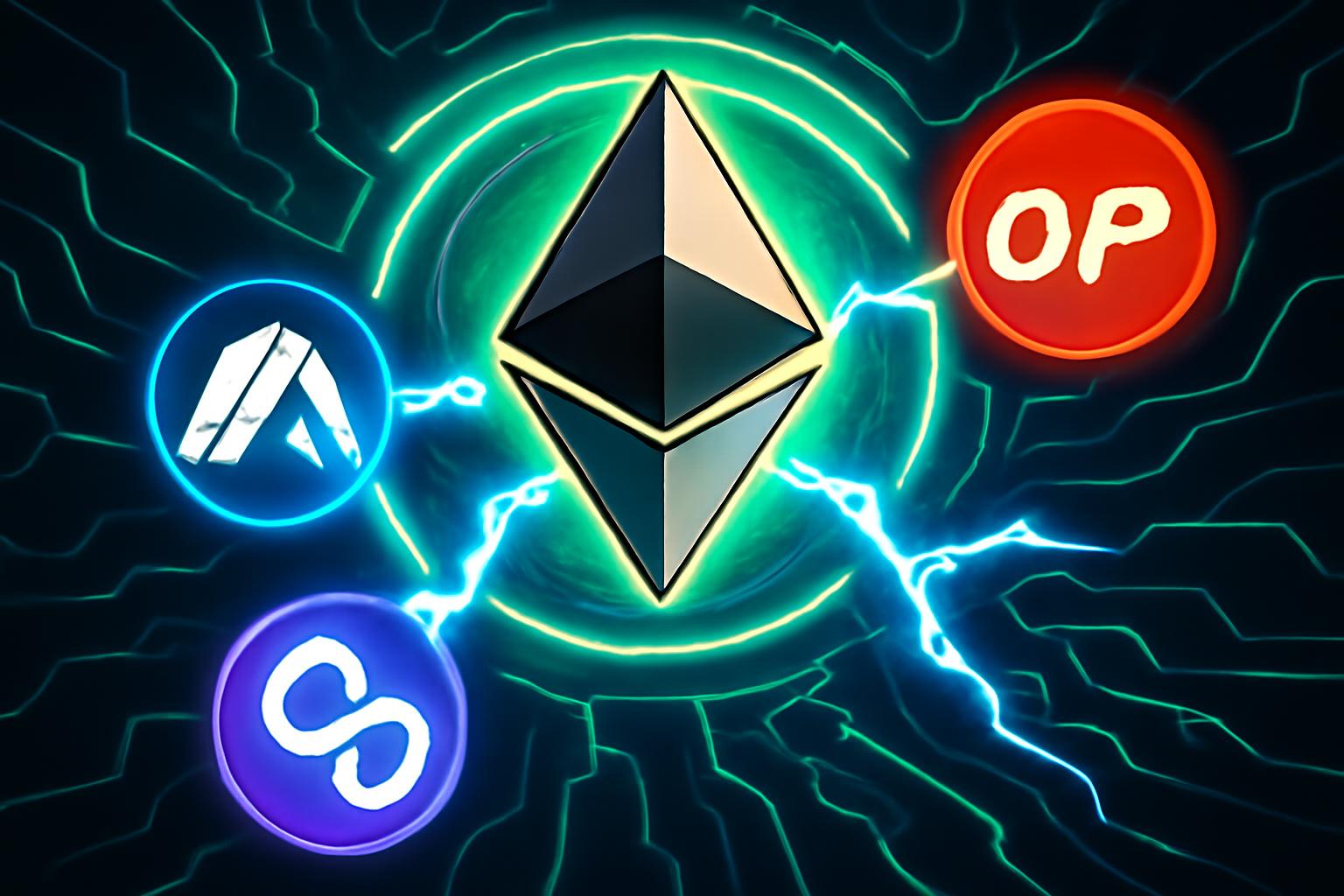

Ethereum commands the lion’s share of the tokenized asset market, accounting for roughly 61.4 percent dominance, yet its core scaling strategy has introduced a significant structural challenge. The proliferation of Layer-2 networks has resulted in a fragmented ecosystem, scattering liquidity, users, and critical infrastructure across a multitude of parallel environments. The network’s pivotal role in asset tokenization is undiminished by these architectural debates.
The total value of tokenized assets on Ethereum has surged, showing a year-over-year increase exceeding 40 percent to reach a current global valuation of $206.2 billion. In a notable development, BNP Paribas is launching six new Exchange Traded Notes (ETNs) linked to Bitcoin and Ethereum today, making them available to its private and retail client base in France. Should investors sell immediately? Or is it worth buying Ethereum?
Market sentiment, however, reveals a cautious undertone. Over the 48-hour period ending March 28, large holders known as “whales” reduced their ETH positions by approximately 180,000 ETH. The price remains under considerable pressure, down more than 32 percent since the start of the year.
Addressing the fragmentation issue head-on, developers from Gnosis and Zisk—with backing from the Ethereum Foundation—unveiled a novel framework on March 29, 2026. Dubbed the Ethereum Economic Zone (EEZ), this initiative is designed to enable the synchronous execution of smart contracts across different rollups within a single transaction. The primary objective is to drastically reduce reliance on cross-chain bridges for inter-network communication. Technical specifications and performance benchmarks for the EEZ are expected to be released in the coming weeks.








Leave a Reply