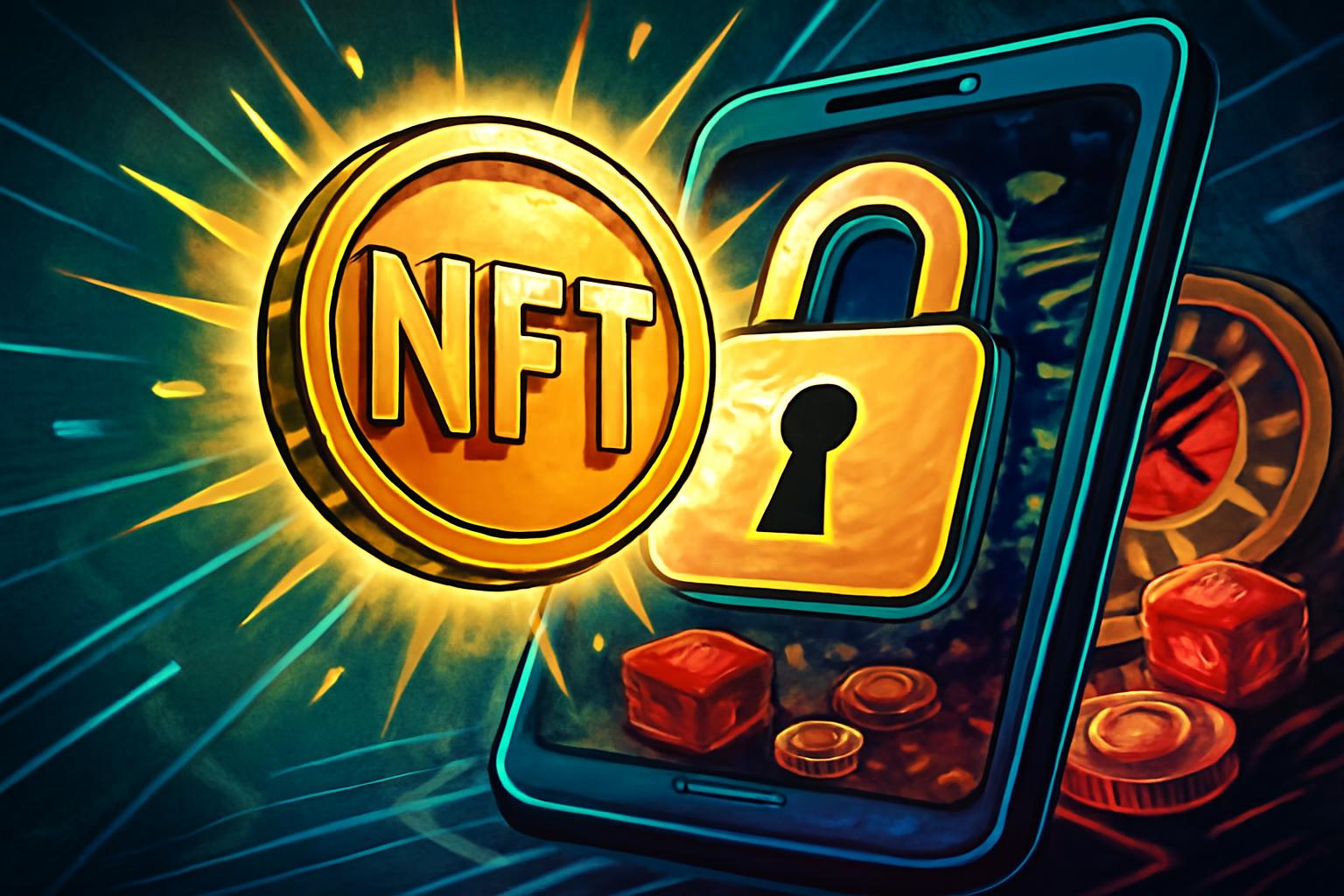

An NFT is a unique bit of code stored on a public blockchain. Because every token has its own serial number, it cannot be swapped like-for-like with another, making it perfect for acting as a digital key. When a casino mints a batch of membership NFTs, each one carries a record of the perks linked to it. Scanning the token is as simple as letting a mobile wallet app sign a small message, and the blockchain confirms ownership in seconds, granting access to doors, websites, or a private poker lobby.
For operators, switching to token-gated entry solves several headaches at once. First, it slashes printing and shipping costs tied to plastic cards or paper vouchers, and smart contracts can issue thousands of NFTs in minutes. Second, the tokens open new income channels by allowing royalties when a token changes hands on a marketplace. On-chain activity provides marketing teams with visibility into how assets are traded and used, enabling more targeted events and stronger security against counterfeit access.
Players gain portability, as a single wallet app on a phone can hold dozens of casino passes. Some venues even sync tokens with door scanners, letting guests walk straight to the buffet without lining up. Limited-edition NFTs can grant special status, like ‘Gold Tier 100,’ with a visible supply cap that may raise resale value. Tokens also serve as collectible art and can spark conversations at tables or online, while some casinos tie tokens to charitable drives.








Leave a Reply