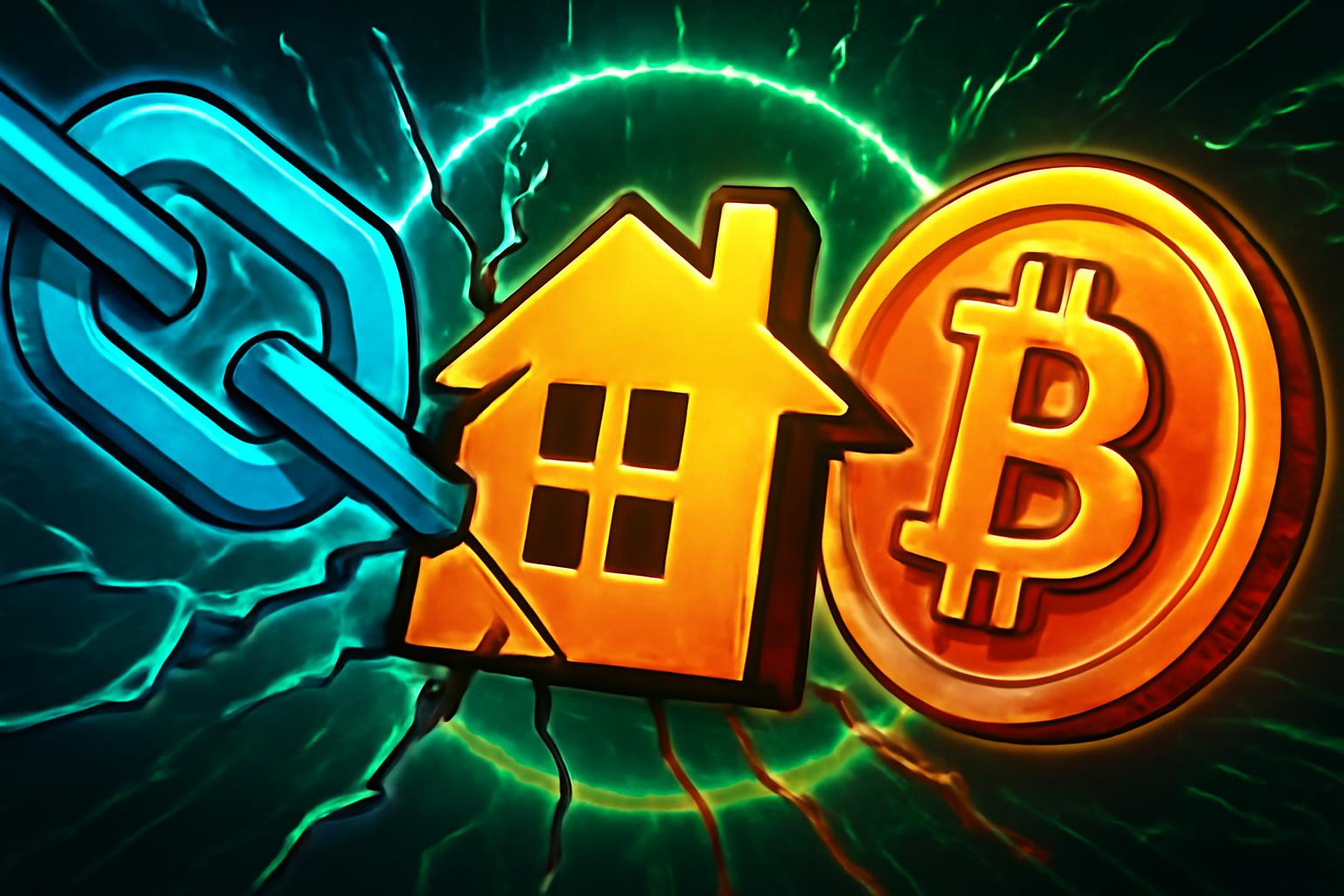

The blockchain is best known in the context of the BTC price, but it is also capable of introducing speed, security, and transparency to a variety of industries. Through its shared, immutable ledger, the blockchain provides a method of facilitating transactions and tracking assets in a single network. With equal access to a single, public version of real estate records, buyers and sellers alike are able to more effectively build the trust necessary for such a major transaction. Using tokenization, some real estate leaders even hope to eliminate financing pressures.
“With the utilization of smart contracts on the blockchain,” real estate transactions could become as easy as online shipping, enabling real estate contracts, escrows, and property records to be completed and monies distributed without title companies or attorneys. This is achieved through the use of smart contracts, lines of code stored on a blockchain to be executed when terms are met. For buyers and sellers, this change could significantly reduce time invested and money spent. After setting up smart contracts, buyers and sellers participating in the real estate industry may also benefit from programmable payments.
While more familiar in the form of cryptocurrency and non-fungible tokens (NFTs), any industry can tokenize its assets. For real estate, the tokenization process could convert ownership rights of a commercial real estate asset into the form of digital tokens, allowing for fractional ownership and simplified trading of property shares. Roughly $4 trillion of real estate will be tokenized by 2035, increasing from less than $300 billion in 2024. In the same way that the blockchain provides investors with a secure, immutable ledger for tracking the BTC price, the technology may be applied to record property titles and transaction histories.




Leave a Reply