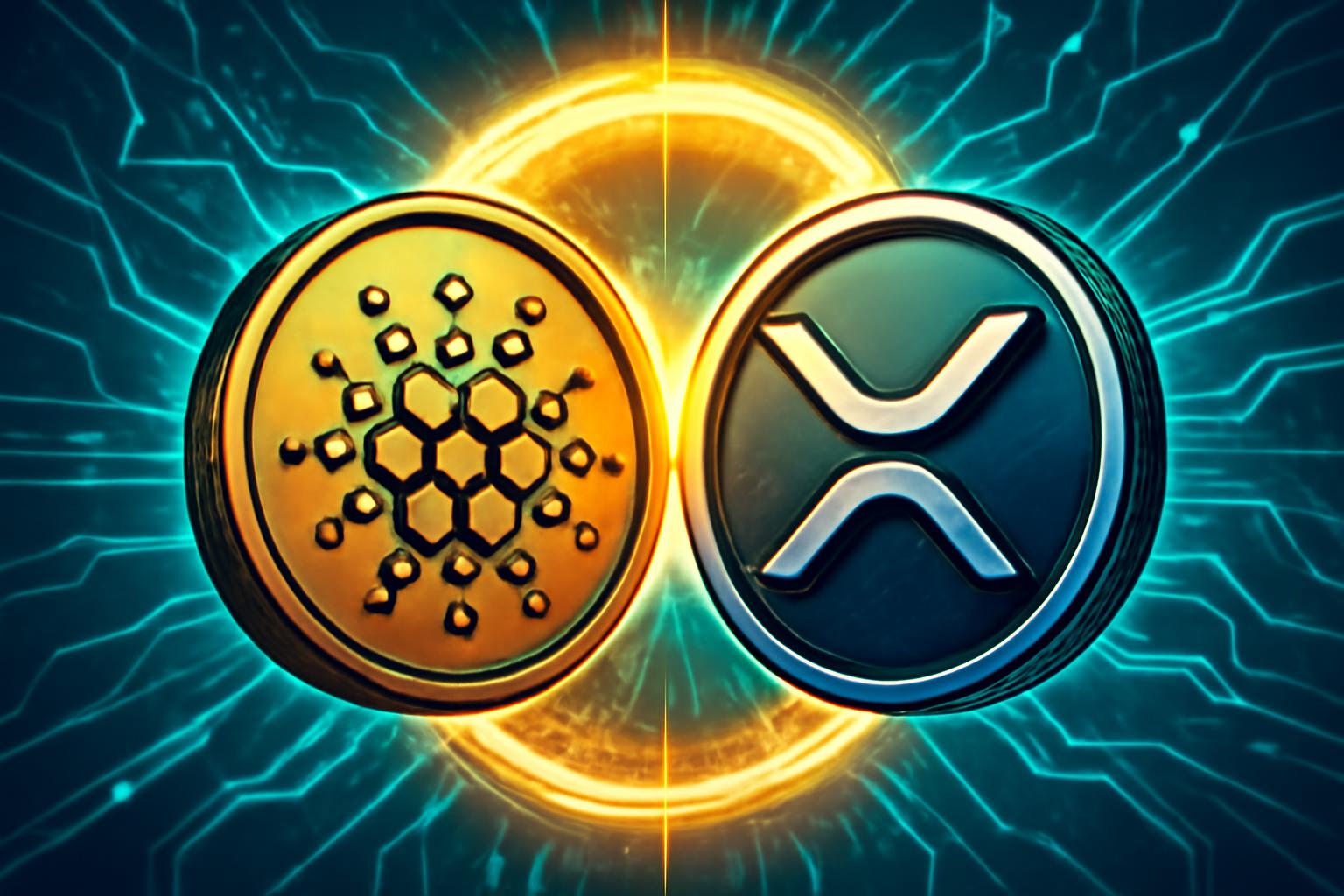

Cardano founder Charles Hoskinson says Web3-native platforms already operate at a scale traditional finance has yet to reach. He notes that XRP- and Cardano-related projects are ahead, while legacy institutions are still experimenting, casting doubt on their long-term competitiveness. Responding to Canton Network developments, Hoskinson says legacy finance is trying to replicate existing capabilities, but on a much smaller scale. He described the gap as “100X” their ambitions, arguing that Web3 is structurally better.
When asked about scale, he pointed to real-world assets and characterized the RWA market as a $10 trillion opportunity, calling tokenization transformative. He highlighted platforms like XRP and Midnight as purpose-built for decentralized systems that capture Web3’s core value, a distinction he says traditional systems do not fully grasp. Beyond infrastructure, he emphasized liquidity potential and cited an estimated $100 billion plus of XRP that remains yield-free. He outlined a plan to incorporate XRP liquidity into Cardano’s DeFi ecosystem, a move he believes could unlock dormant capital and attract XRP holders.
He envisions DeFi protocols on Cardano supporting this flow, raising capital efficiency and delivering a win-win-win for ecosystems, potentially increasing Cardano’s Total Value Locked. He remains optimistic about RWA tokenization, including real estate and commodities, arguing it could expand blockchain utility and attract institutional capital. He advocates using RWA tokenization with DeFi and liquidity in Bitcoin and XRP to strengthen Cardano’s position, potentially enabling interoperability with networks like Solana. Historically strained relations with XRP are easing, reinforcing his view that Web3-native platforms lead the tokenization race while legacy finance remains late entrants, with a $10 trillion target keeping the stakes high.








Leave a Reply