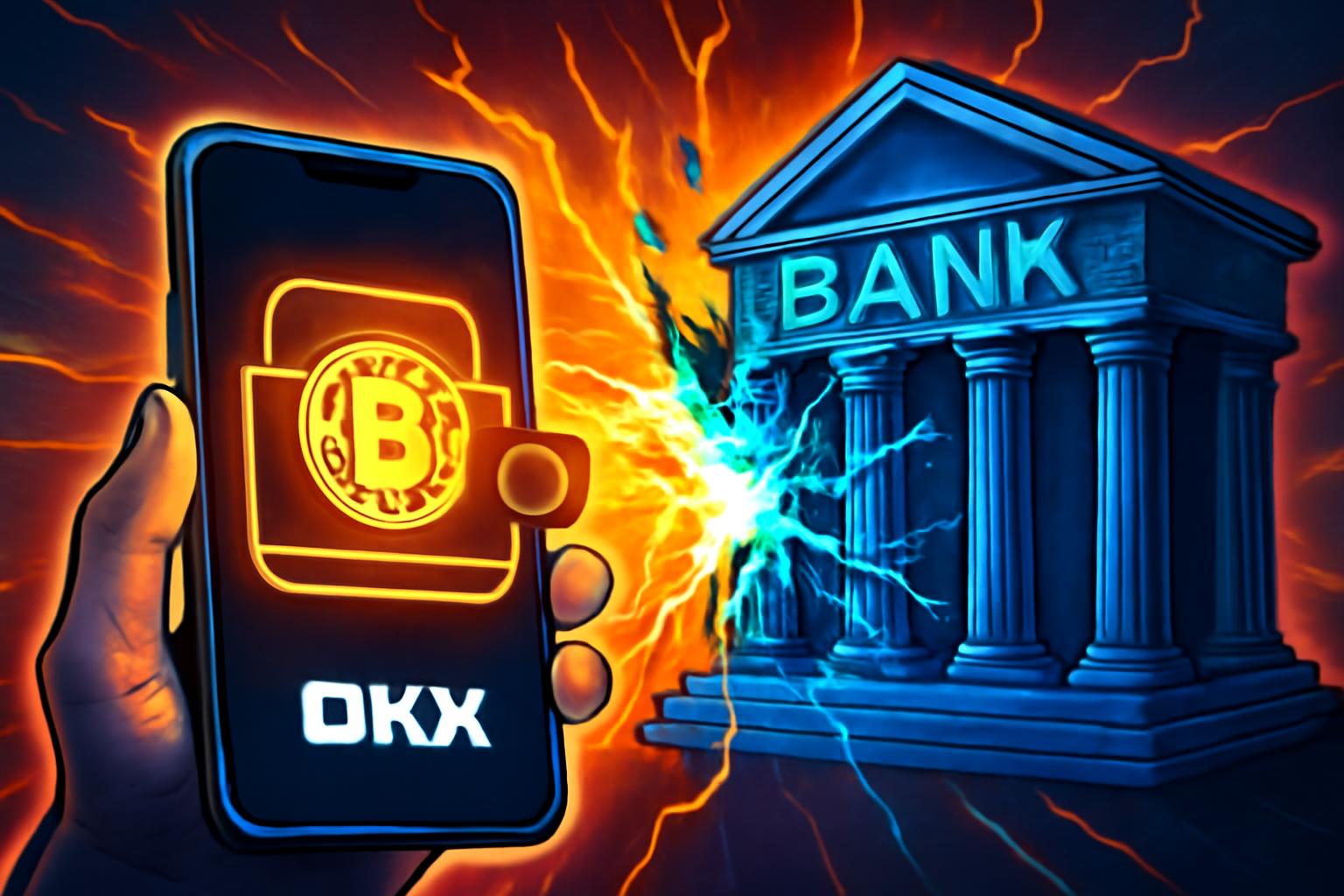

Xu suggested that the post-2000 generation, commonly referred to as Gen Z, could increasingly view crypto wallets as safer and more trustworthy than traditional banks. Xu’s comments highlight a changing definition of financial safety. For decades, banks and physical assets were seen as the cornerstones of financial security. Gen Z is not just another demographic segment; it represents the future core user base of financial services.
Xu argued that for younger users, a well-secured crypto exchange wallet can feel more transparent, accessible, and controllable than a traditional bank account. Unlike legacy systems that rely on intermediaries, crypto wallets allow users to manage assets directly, often with real-time visibility and global access. Crypto wallets also align with values that resonate strongly with younger users, such as autonomy, transparency, and innovation. Unlike traditional banks that impose geographic and procedural limitations, crypto platforms operate globally and continuously.
Xu also warned that the coming decade could bring intensified competition between technology-driven platforms and traditional financial institutions. Banks, asset managers, and payment providers may increasingly find themselves competing with Web3 platforms for the loyalty of younger users. He predicted that over the next five to ten years, leading crypto companies could evolve into multi-billion or even multi-trillion dollar fintech giants. The growth of digital wallets, decentralized finance, and blockchain-based applications will likely be central to this transformation.







Leave a Reply