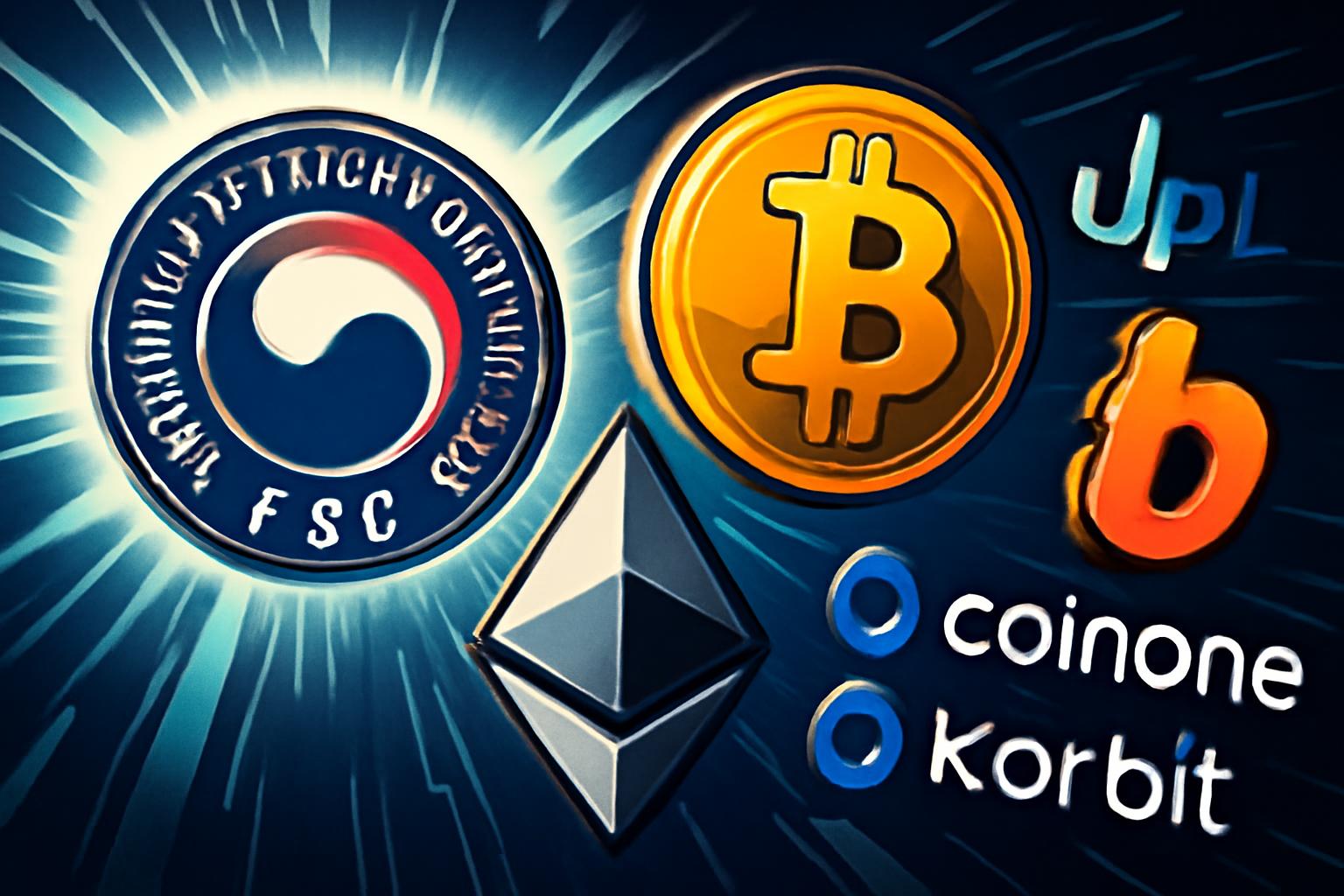

It has been a long, quiet decade for South Korean boardrooms, but the wait to enter the crypto space is finally over. On January 12, 2026, the country’s Financial Services Commission (FSC) pulled the curtain back on a new roadmap that effectively kills off the South Korea crypto ban for corporate players. This isn’t just a bit of regulatory fine-tuning; it is a massive, 180-degree turn from the 2017 lockdown that forced domestic institutions to sit on their hands while their global peers spent years building out digital asset treasuries. By finally unlocking these gates, Seoul is signaling that it’s tired of watching its own capital flow offshore.
The new guidelines are a cornerstone of the government’s broader “2026 Economic Growth Strategy.” By opening the doors to roughly 3,500 eligible entities, including publicly listed firms and professional investment houses, South Korea is signaling that it is finally ready to treat Bitcoin and Ethereum as legitimate parts of a corporate balance sheet. For nearly a decade, retail investors made up almost 100% of the local market; that era of imbalance is officially coming to a close. Under this new framework, South Korean corporations are permitted to dip their toes in the water by allocating up to 5% of their equity capital to digital assets each year.
To mitigate systemic risk, the government is restricting these investments to the top 20 cryptocurrencies by market capitalization, think established giants like Bitcoin, Ethereum, and Solana. Furthermore, all trades must be funneled through the nation’s “Big Five” regulated exchanges: Upbit, Bithumb, Coinone, Korbit, and GOPAX. Exchanges will be required to use staggered execution for large corporate orders. Regulators are still moving with caution.
The FSC isn’t exactly throwing the doors wide open; instead, they are carefully engineering a controlled entry point. The final guidelines are expected to drop in the coming weeks, with corporate trading desks likely to go live by the end of 2026. After nearly a decade of exile, South Korean institutions are finally coming home to a market that is more mature, better regulated, and ready for big business. By ending the South Korea crypto ban, the FSC is trying to find a middle ground between total freedom and total control.









Leave a Reply