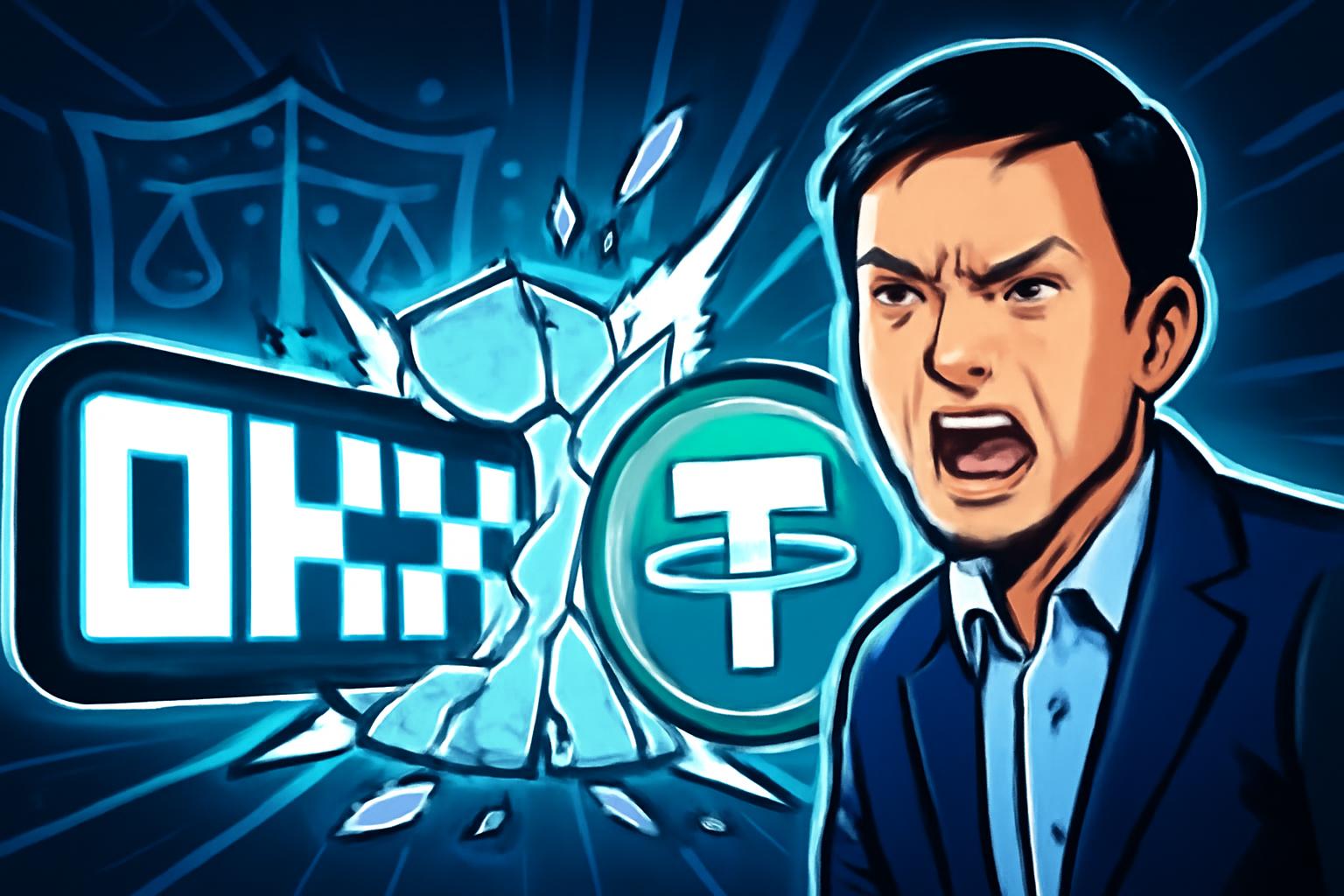

OKX reportedly froze 40,000 USDT after a user, captain0bunny, claimed the funds were blocked on January 11, 2026. In late 2023, the user bought four third-party KYC-verified accounts after missing out on OKX Jumpstart events in mainland China, with these accounts remaining inactive until November 2025. To pursue a promotional opportunity offering up to 10% EAR, he transferred 10,000 USDG into each account. Withdrawals then triggered freezes, and the platform asked registered holders to verify their selfies, a process described as beyond the user’s capability.
On January 12, 2026, OKX CEO Star Xu defended asset-freezing policies on X, arguing that transferring account control would undermine user protection standards and anti-money laundering laws. He said that allowing secondary-party claims would weaken asset security and that account buying violates platform agreements, noting risk-control mechanisms such as facial recognition for suspicious activity. OKX’s help desk on X clarified that only real-name verified users can access services, and operations must be authenticated by the registered account holder.
Xu outlined three conditions to recover assets: original KYC holders should disclaim ownership of funds, accounts must not have judicial freezes, and users must submit verifiable evidence satisfying regulatory criteria. Crypto investor Lugeweb3 commented that no backdoors should be created by exchanges, citing potential fraud. The majority of community responses favored the exchange’s stance.
The case sparked a discussion about the risk of trading third-party accounts. The involved user later expressed gratitude to supporters and suggested that on-chain staking was a liquidity issue, while signaling possible legal action and vowing to donate half of any recovered funds to charity.





Leave a Reply