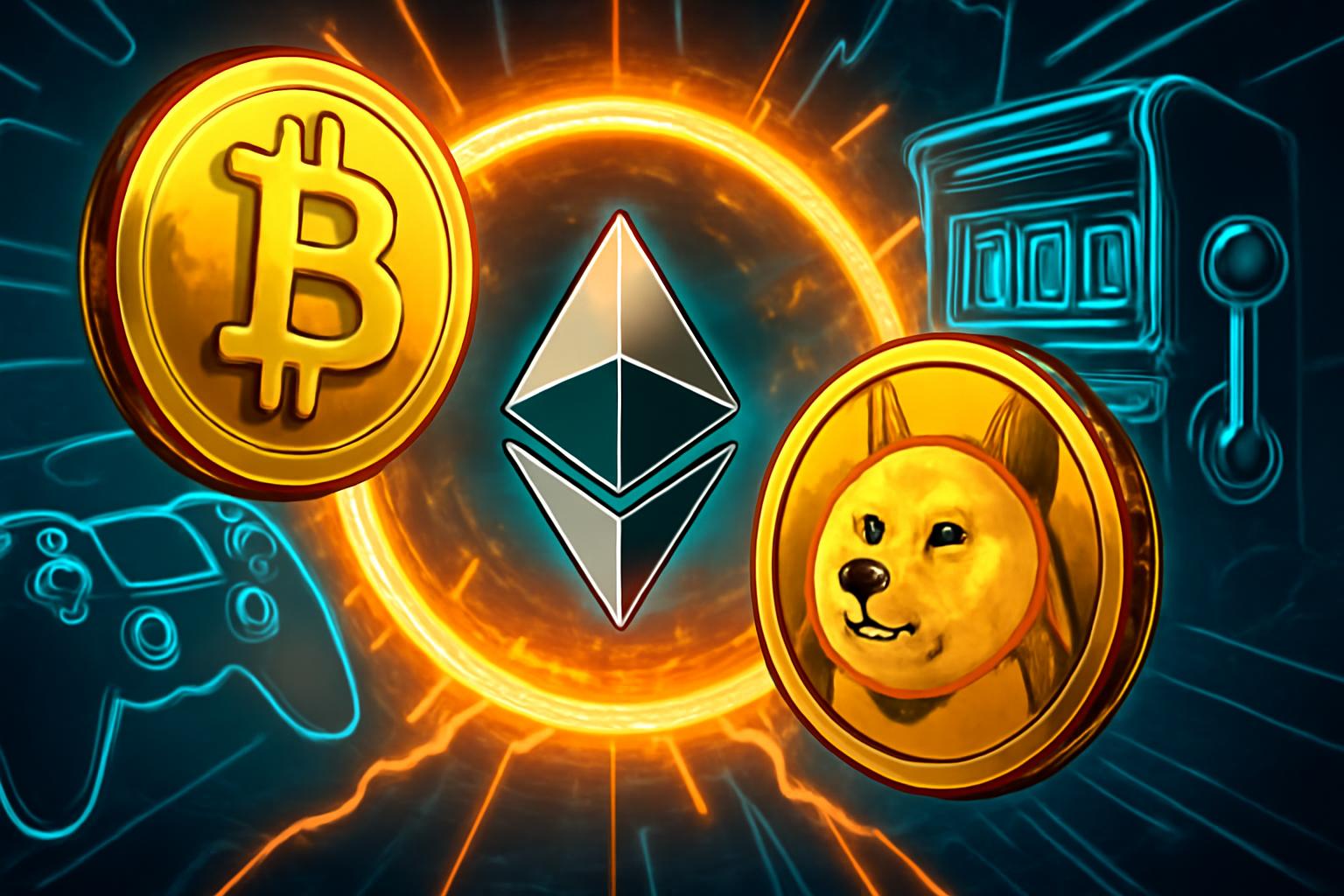

Cryptocurrency has evolved far beyond its original purpose of providing a decentralized and alternative method of financial exchange. Over the years, its application has expanded into various industries, offering greater efficiency, transparency, and privacy. One of the most significant areas where cryptocurrency has made its mark is in gaming and digital services, where its unique features align perfectly with the demands of modern technology-driven platforms. This article explores how crypto is used beyond trading, focusing on the gaming world and digital services that have integrated cryptocurrency to enhance the user experience.
Crypto’s influence on gaming is undeniable, and it’s changing how players interact with virtual economies. Video game developers and online platforms have begun embracing cryptocurrency due to its ability to offer secure, fast, and borderless transactions. Whether it’s buying in-game assets or participating in betting games, cryptocurrency has enabled seamless experiences that traditional currencies couldn’t match. One prominent example is crypto casinos where blockchain technology allows players to deposit and withdraw funds in real time, with fewer fees and less reliance on intermediaries.
The appeal of crypto in gaming lies in its ability to enhance players’ experiences by enabling true ownership of in-game assets, such as skins, weapons, or virtual currency. These assets, backed by blockchain technology, are tokenized, providing players with a sense of security and control. They can trade, sell, or transfer items to other players, or even use them across different games, creating a more dynamic and interconnected gaming ecosystem. This not only increases the value of in-game assets but also allows players to have control over their digital items long after they leave the game in which they were obtained.
The use of cryptocurrency has extended beyond traditional online casinos and into the world of esports and competitive gaming. Esports has become a billion-dollar industry, and cryptocurrency has provided a means to enhance the fan and player experience. Platforms are adopting cryptocurrency for ticket sales, player payouts, and fan interactions. In the future, players may even place wagers on esports tournaments using digital currencies, creating a faster, more secure, and more inclusive betting system.
Furthermore, many gaming platforms have begun offering crypto casinos for esports fans, enabling them to place bets on matches using cryptocurrencies. Another area where cryptocurrency is gaining traction is in the realm of digital services. From software subscriptions to online content, many digital platforms are now accepting cryptocurrency as an alternative payment method. The advantages of using cryptocurrency in this sector are clear: crypto payments offer instant transaction finality, low fees, and greater privacy compared to traditional payment systems.
For example, online streaming platforms, software vendors, and digital tool providers have begun to accept crypto for payments. This allows customers to pay for services quickly and securely, bypassing the delays and restrictions often associated with credit card payments or bank transfers. As crypto adoption increases, more companies are likely to follow suit, offering customers even more choices for payments. The rise of Non-Fungible Tokens (NFTs) has taken the concept of crypto in gaming to new heights.
NFTs represent digital assets that are unique and cannot be exchanged on a one-to-one basis like traditional cryptocurrencies. In the gaming industry, NFTs are used to create unique in-game assets, such as rare skins, digital art, and collectibles, which players can buy, sell, or trade on blockchain-powered marketplaces. By integrating NFTs into gaming ecosystems, developers are not only creating a more immersive and personalized experience for players, but they are also redefining the concept of ownership in the digital realm. Players who own NFTs have verifiable proof of ownership, allowing them to transfer or sell these assets to others, giving them greater flexibility and value compared to traditional virtual items.
This integration of cryptocurrency and NFTs has expanded the possibilities for digital ownership and created new revenue streams for both players and developers. As the market for NFTs grows, more gaming platforms are likely to embrace this new form of digital asset exchange, further cementing crypto’s role in the gaming world. Speed: Cryptocurrency transactions are processed much faster than traditional bank transfers or credit card payments, allowing players and customers to access services and winnings in real time. Low Fees: Traditional payment methods often involve high processing fees, especially for international transactions. Cryptocurrency eliminates intermediaries, reducing costs for both players and operators.
Global Accessibility: Cryptocurrency allows for seamless cross-border transactions, enabling players from different parts of the world to participate in global gaming platforms without worrying about currency conversion. Security: Blockchain technology offers a high level of security, ensuring that transactions are tamper-proof and transparent, reducing the risk of fraud or manipulation. As cryptocurrency continues to grow in popularity, its use in gaming and digital services is likely to expand even further. With more gaming platforms adopting blockchain technology, players will experience more immersive and transparent experiences.
Crypto casinos, NFT marketplaces, and in-game asset ownership will continue to shape the future of gaming, offering new ways for players to engage with their favourite games and build their digital collections. In the digital services sector, cryptocurrency’s role as an alternative payment method will likely increase, offering consumers greater flexibility, faster payments, and better privacy. The rise of crypto in digital services also opens the door for further innovations, such as the tokenization of digital products and services, creating new ways for businesses and consumers to interact in the digital economy. Cryptocurrency has made a significant impact on industries far beyond just trading and investment.
In gaming and digital services, crypto offers unique advantages, including faster transactions, lower fees, and the ability to create more transparent and secure experiences for users. From crypto casinos to the integration of NFTs, cryptocurrency is transforming the way players interact with games and digital platforms, offering new opportunities for ownership and exchange. As adoption grows, we can expect cryptocurrency to play an even more prominent role in the gaming world and beyond, shaping the future of both digital entertainment and online services.






Leave a Reply