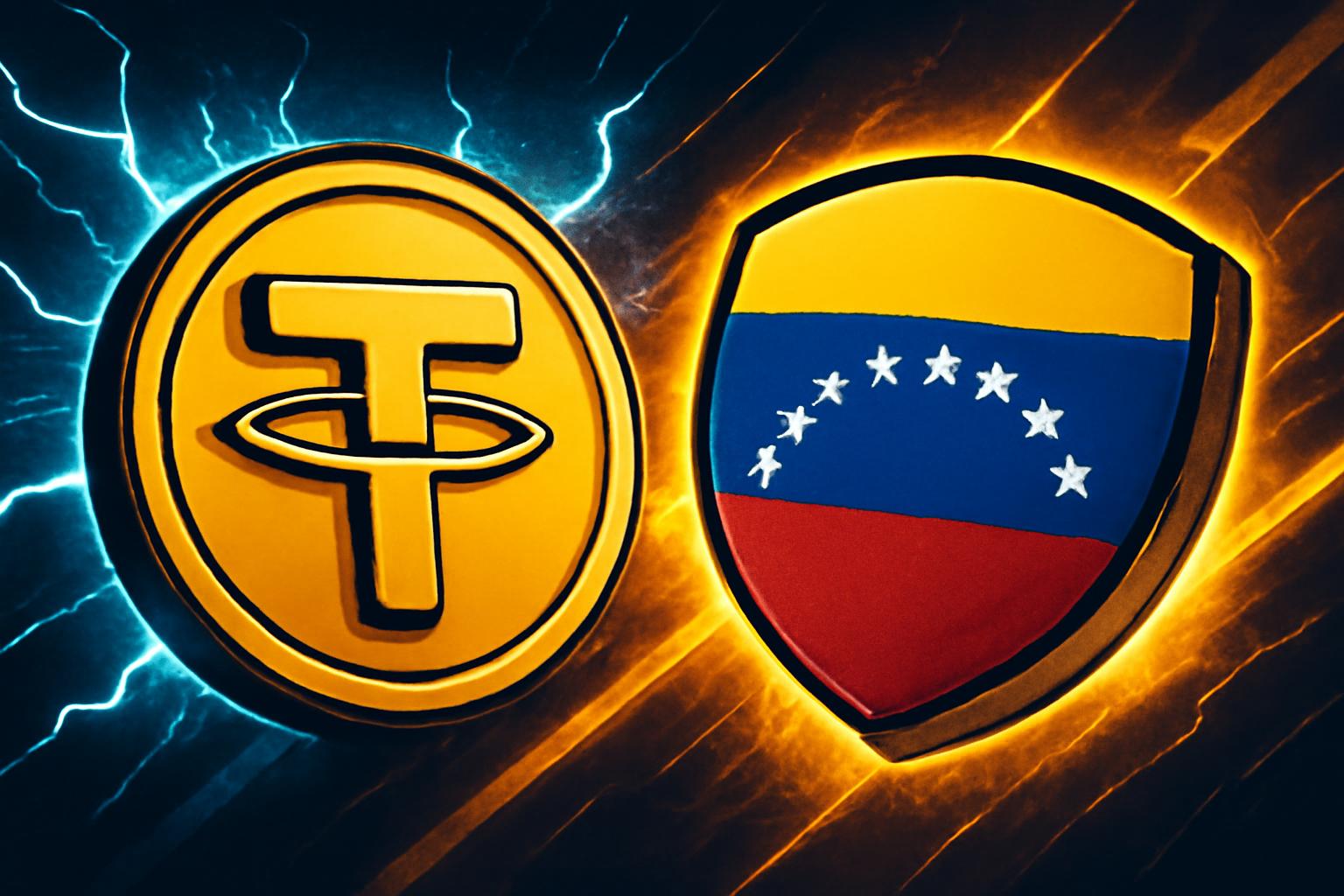

Venezuela, cut off from the dollar system by U.S. sanctions, has turned to Tether’s USDT to settle roughly 80% of its oil revenue. Analysts describe this as forced dollarization, with USDT becoming the primary medium for oil sales and expanding into domestic payments. The move highlights the practical use of stablecoins under sanctions while also revealing their limits in large-scale finance.
Reports indicate state banks are selling USDT to local firms, enabling payments to suppliers and even retail transactions. The national supermarket association says retailers are upgrading to accept USDT, signaling broader retail adoption.
Experts warn that crypto-based sanction evasion remains a small fraction of illicit finance compared with cash and commodity flows. Studies by TRM Labs and Lawfare portray crypto as a secondary channel rather than a replacement for traditional methods. The development could set a precedent for digital dollars under sanctions, potentially reinforcing the role of the dollar in global finance.











Leave a Reply