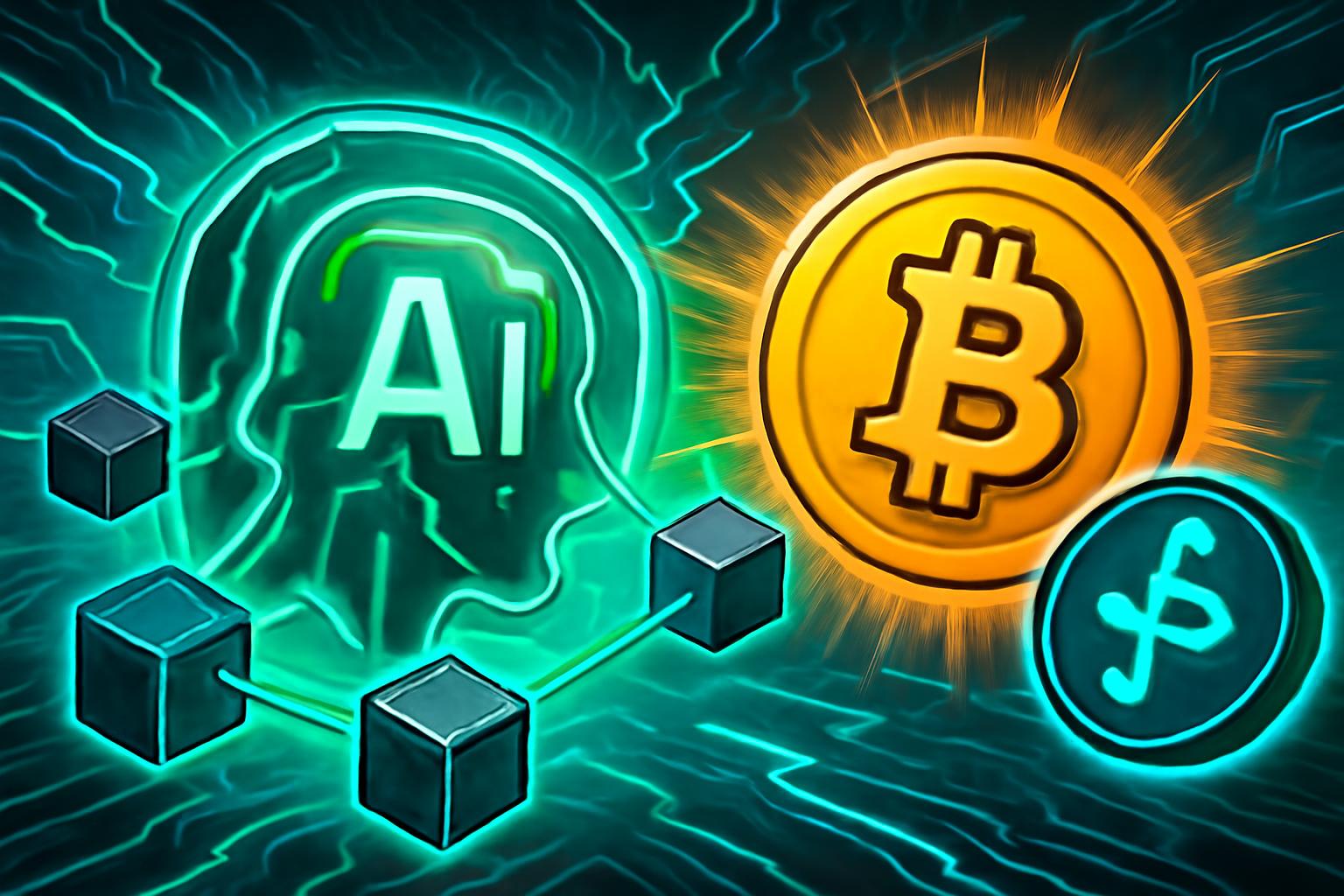

AI is revolutionizing the way machines think, learn, and decide, while blockchain is transforming how systems store value, validate transactions, and trust each other. Each technology is powerful on its own, but together they are reshaping digital infrastructure. The convergence is not a concept; it is already evident in decentralized finance, identity networks, data exchanges, and computing platforms.
Current AI is mostly centralized, with large models trained and maintained by big tech companies that control vast data and computing resources. This concentration leads to a lack of transparency, data ownership concerns, and single points of failure. A decentralized network provides an alternative approach. The first and most significant synergy is Decentralized Compute, where AI training and inference draw on a global community rather than rely on centralized clouds.
A growing extension of decentralized compute is DePIN (Decentralized Physical Infrastructure Networks), coordinating real-world resources such as GPU clusters, storage devices, wireless networks, and sensor grids through token incentives. Participants are rewarded with tokens for providing computing power, storage, or connectivity, expanding AI training GPU availability and reducing dependency on centralized cloud monopolies. Blockchain’s immutable ledger underpins data integrity for AI, enabling provenance, audit trails, and secure model updates, while on-chain identities and reputation systems help ensure accountable AI agents operating within DeFi and other ecosystems. Tokenized data markets let providers monetize data with clear usage terms, fostering transparent and fair AI training, though these advances also bring risks such as market volatility from autonomous agents and governance challenges.









Leave a Reply