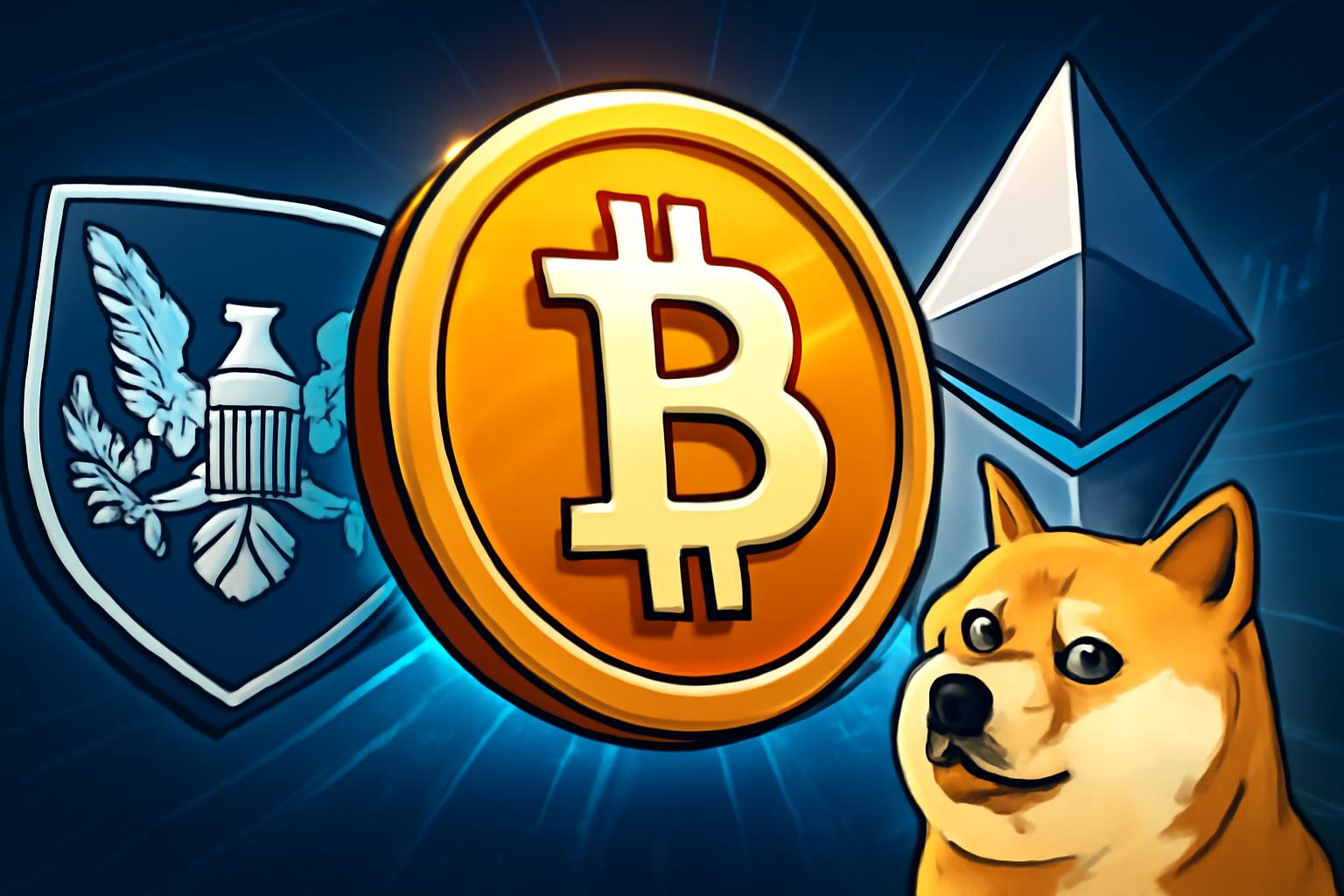

On March 17, the U.S. Securities and Exchange Commission released a staff guidance interpreting how federal securities laws apply to digital assets. The agency’s guidance classifies Bitcoin, Ethereum, XRP, Solana, and Dogecoin as digital commodities and states they are not securities. The SEC defines digital commodities as assets whose value is determined by supply and demand linked to the operation of a functional cryptographic system, rather than the efforts of others.
It notes that cryptocurrencies do not share the “efforts of others” that typically drive securities, and that NFTs and meme coins designed for collection are digital collectibles and likewise not securities. However, offerings that provide fractional ownership of digital collectibles could be deemed securities. The guidance also adopts the Genesis Act rule that payment stablecoins issued by authorized issuers are not securities, while those that do not meet the requirements are excluded from this interpretation.
The document defines digital securities (tokenized securities) as certificates whose ownership is maintained on a blockchain and that retain the security’s economic characteristics regardless of form. It states that any instrument with the economic characteristics of a security—whether on paper or recorded on a blockchain—has the same legal status as traditional securities. SEC Commissioner Paul Atkins said the guidance should provide market participants with a clear reference for the agency’s stance under federal securities laws as Congress pursues further legislation, marking a significant bridge for entrepreneurs and investors.










Leave a Reply